
Safe Opening Services
Greater Houston Safe & Gun Safe Opening Service
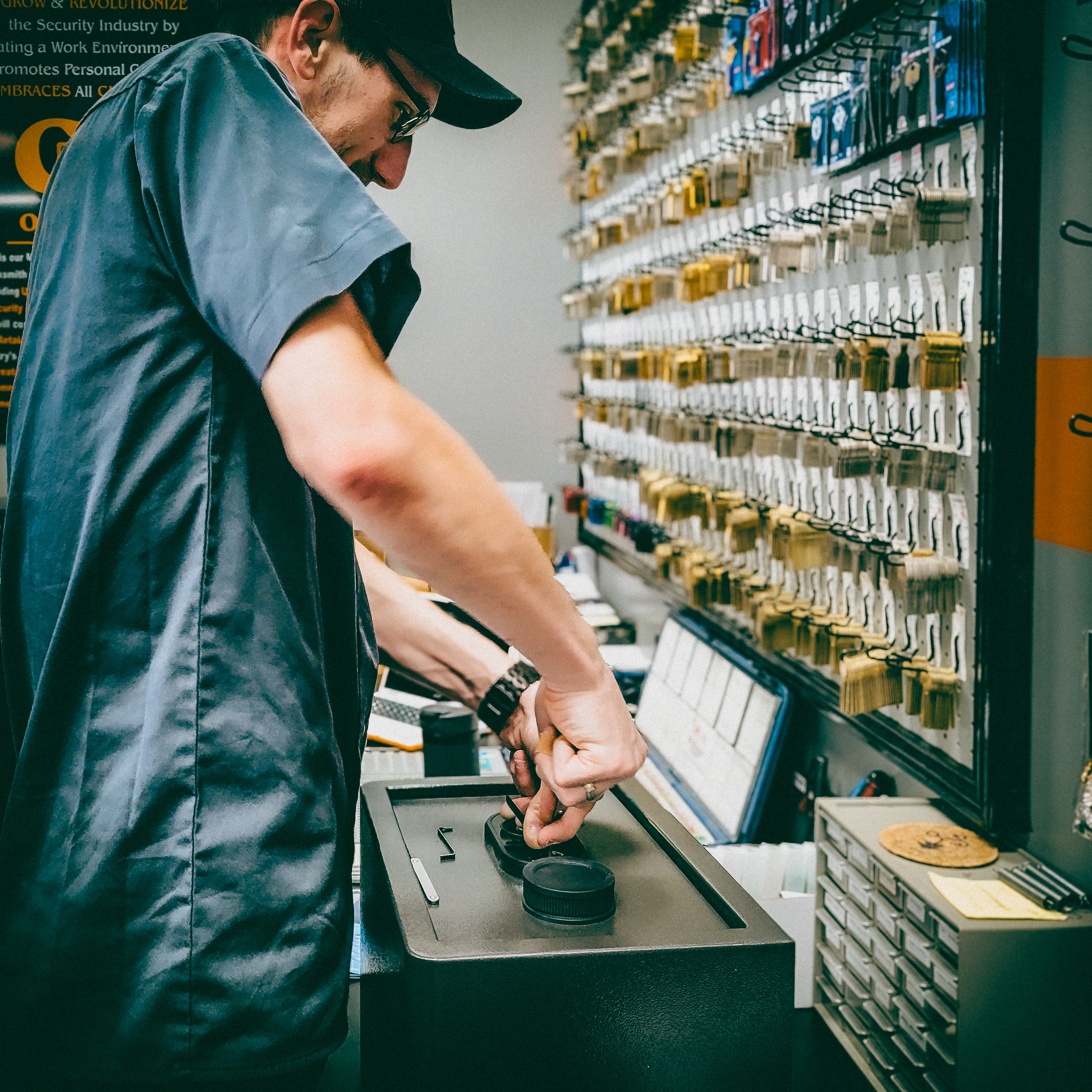
When a safe will not open, you need more than guesswork or force. You need a safe locksmith who understands how safes are built, how their locks fail, and how to open them safely while protecting the contents as much as possible.
Guardian Safe & Lock provides professional safe opening services for homeowners and businesses throughout Greater Houston, covering everything from forgotten combinations and keypad failures to jammed boltworks and damaged doors.
Call 832-534-8687, or text (including images) 832-493-5888 to discuss our safe opening services with a locksmith professional today.
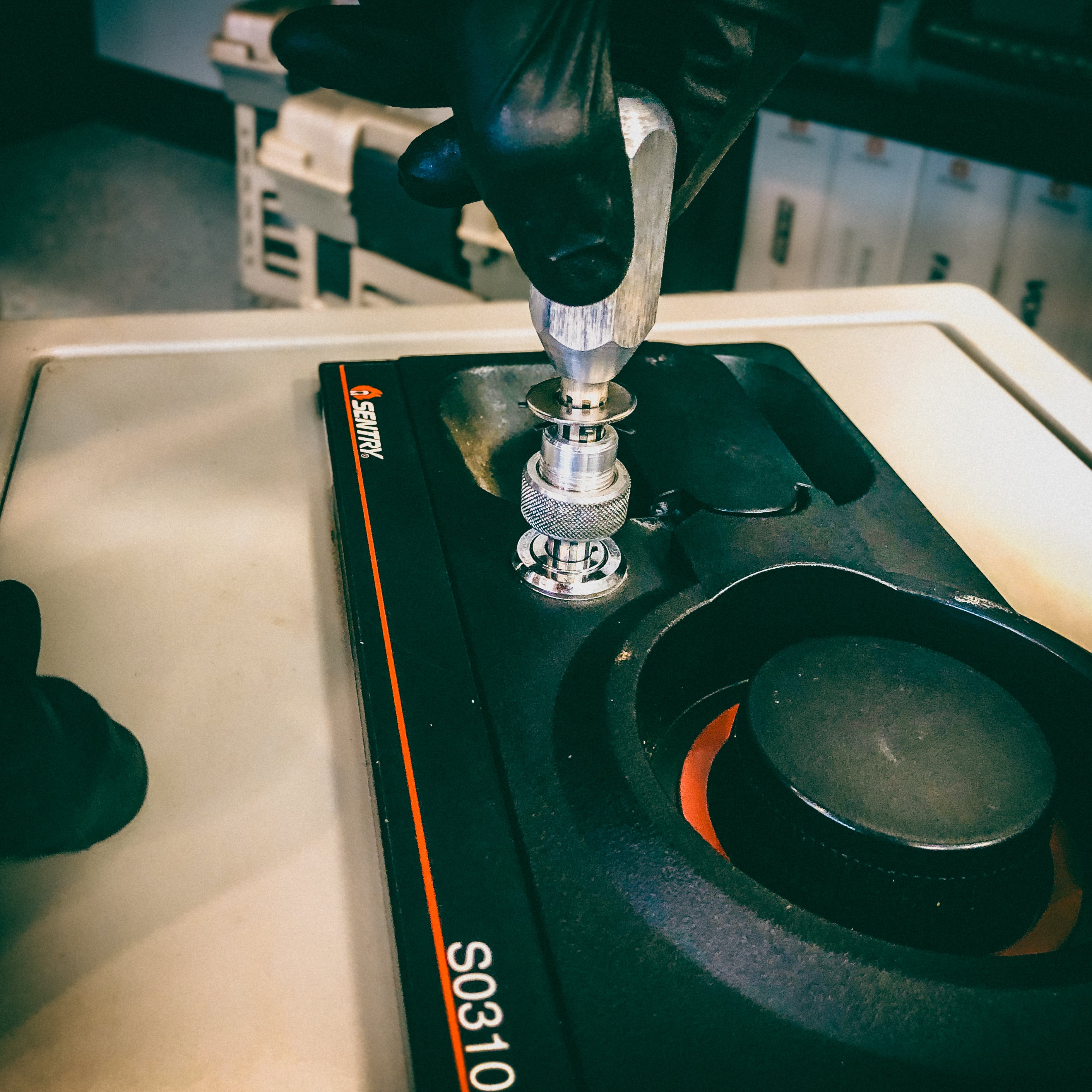
Safe Opening Services in Greater Houston
A locked safe can interrupt business operations, delay deposits, prevent access to documents, or keep firearms out of reach when you may need them most.
Our safe locksmiths work on home safes, gun safes, commercial depository safes, office safes, and higher‑security units, using methods appropriate to each type and situation.
Common Reasons Safes Won’t Open
Safes can refuse to open for many different reasons, and the cause is not always obvious from the outside.
Some of the most common situations we see are:
- Forgotten combinations or codes – The safe has not been opened in a long time, or the person who knew the combination is no longer available.
- Electronic keypad failure – The keypad does not light up, misses digits, beeps but does not unlock, or shows error indications.
- Mechanical dial issues – The dial no longer feels precise, and the usual combination will not open the safe.
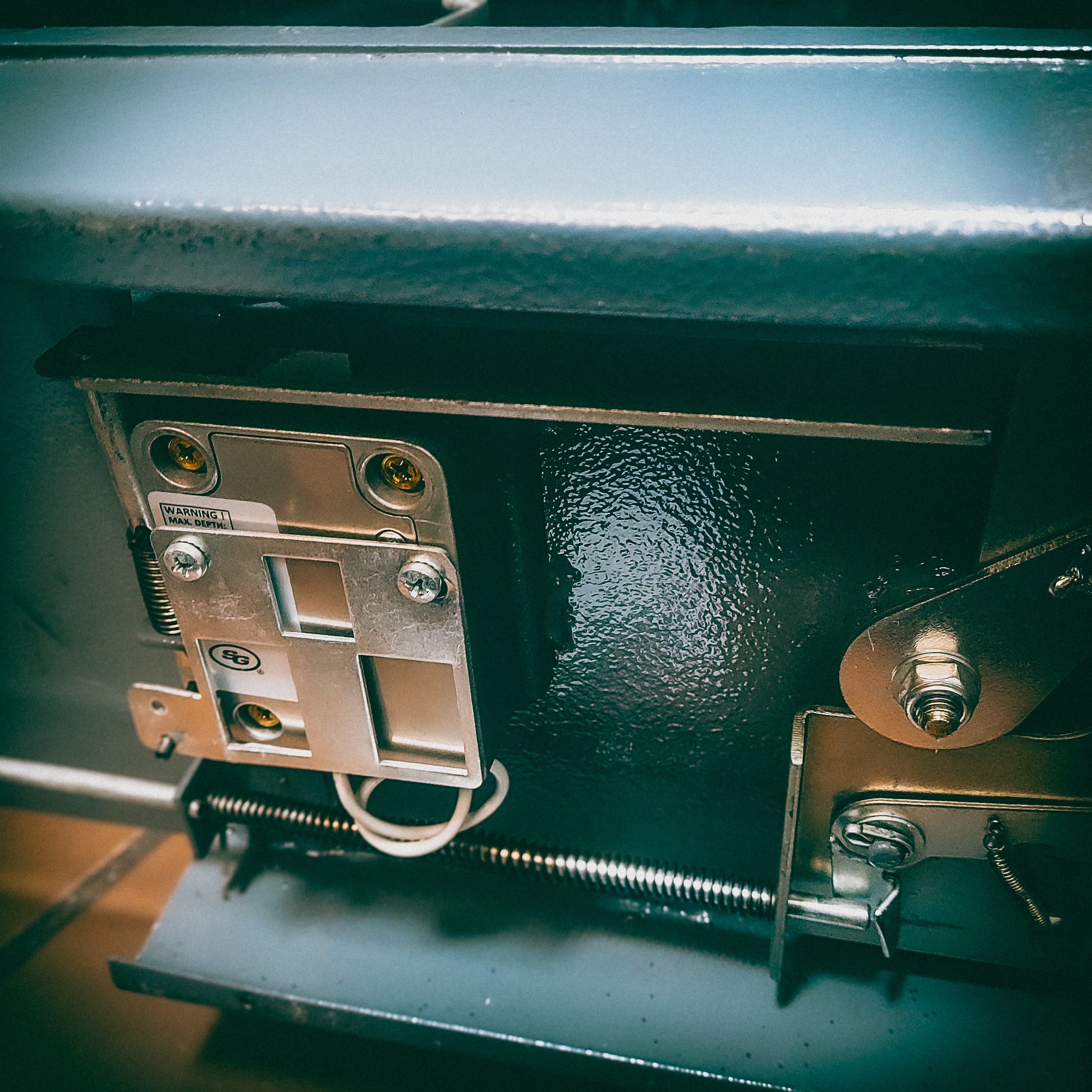
- Handle or boltwork problems – The handle spins freely, will not move fully, or feels like it is binding when you try to open.
- After impact or attempted break‑in – The safe has been dropped, moved roughly, or attacked, and now the door will not open even with the correct combination or code.
Our first goal is to determine why the safe will not open, so we can choose the most appropriate and least destructive way to resolve the problem.
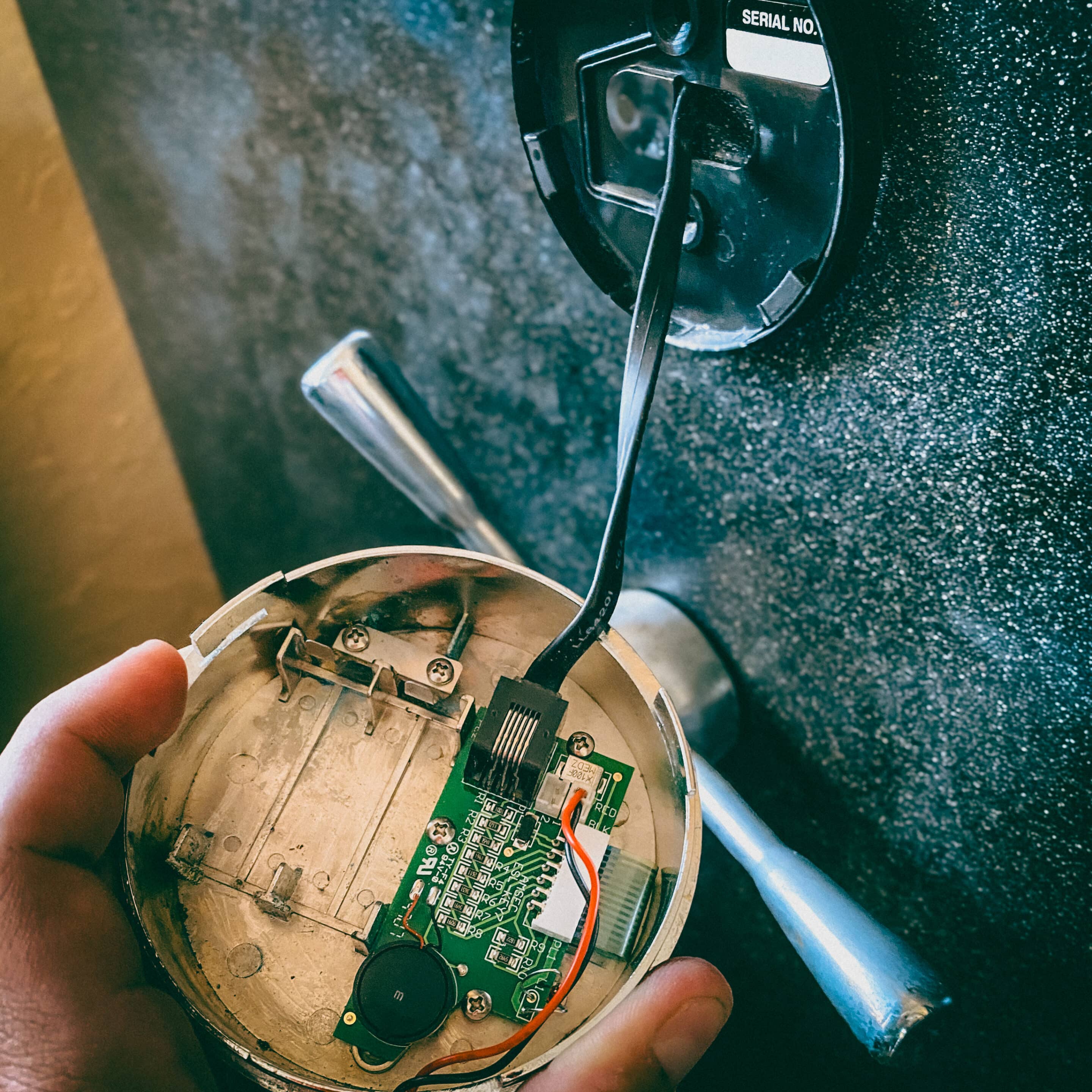
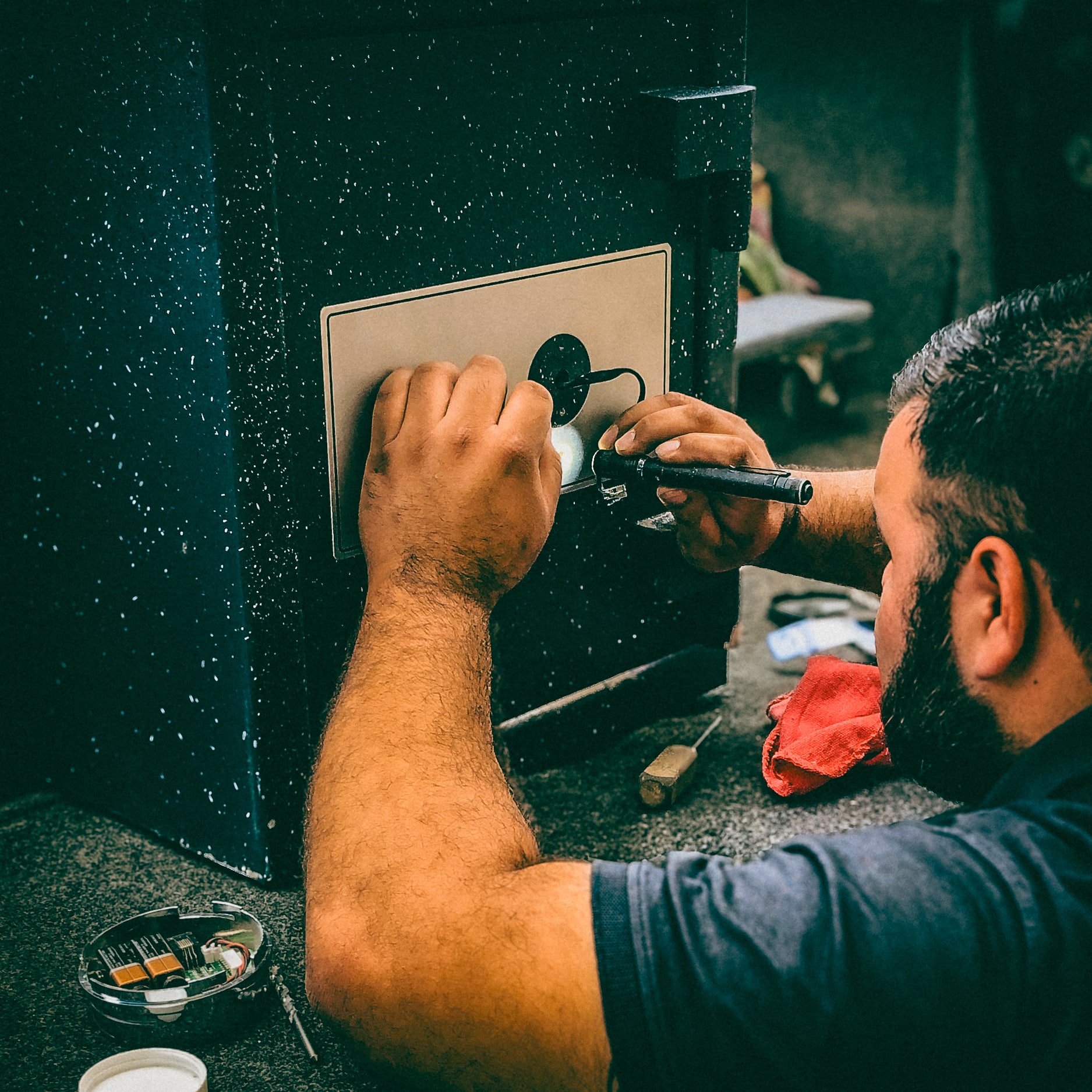
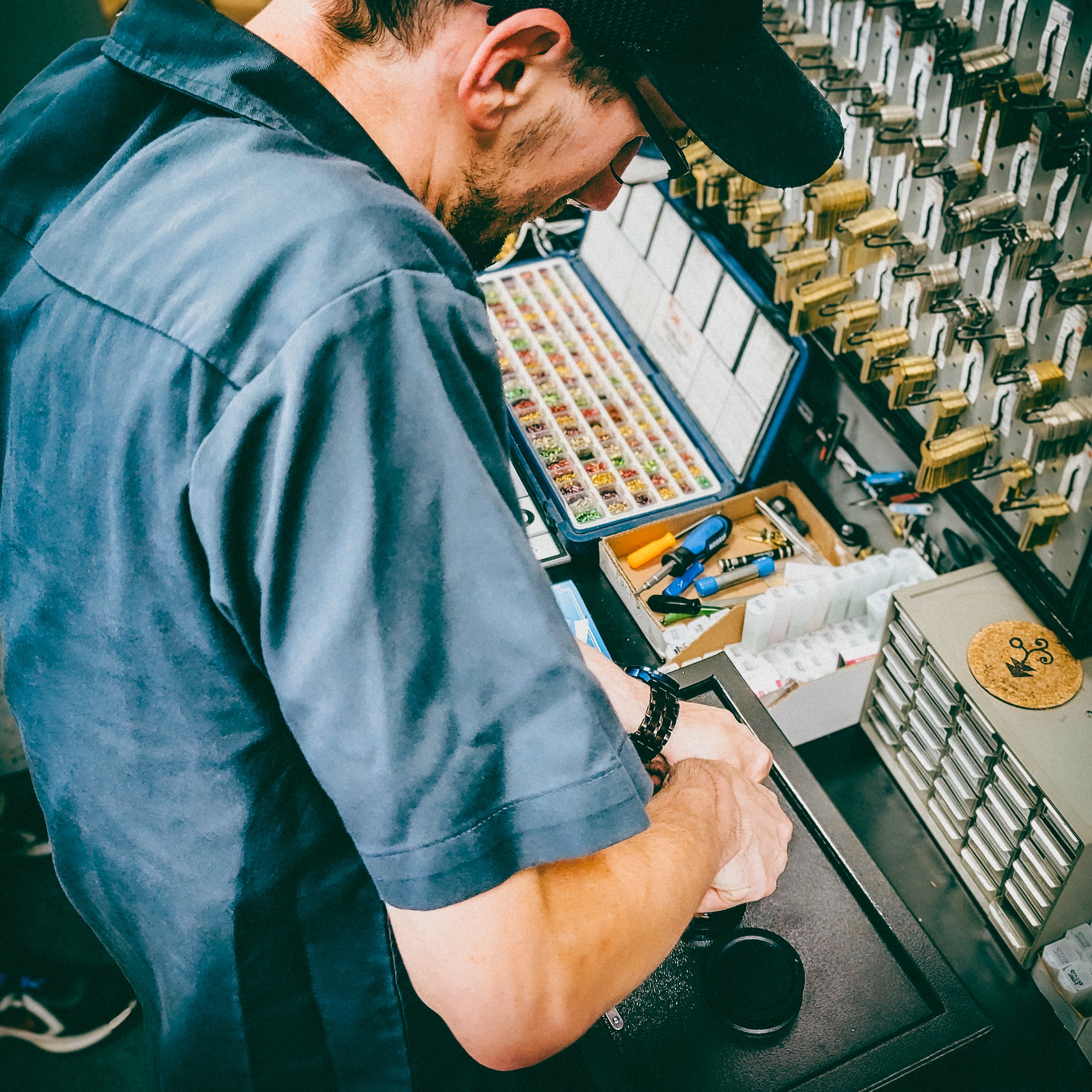
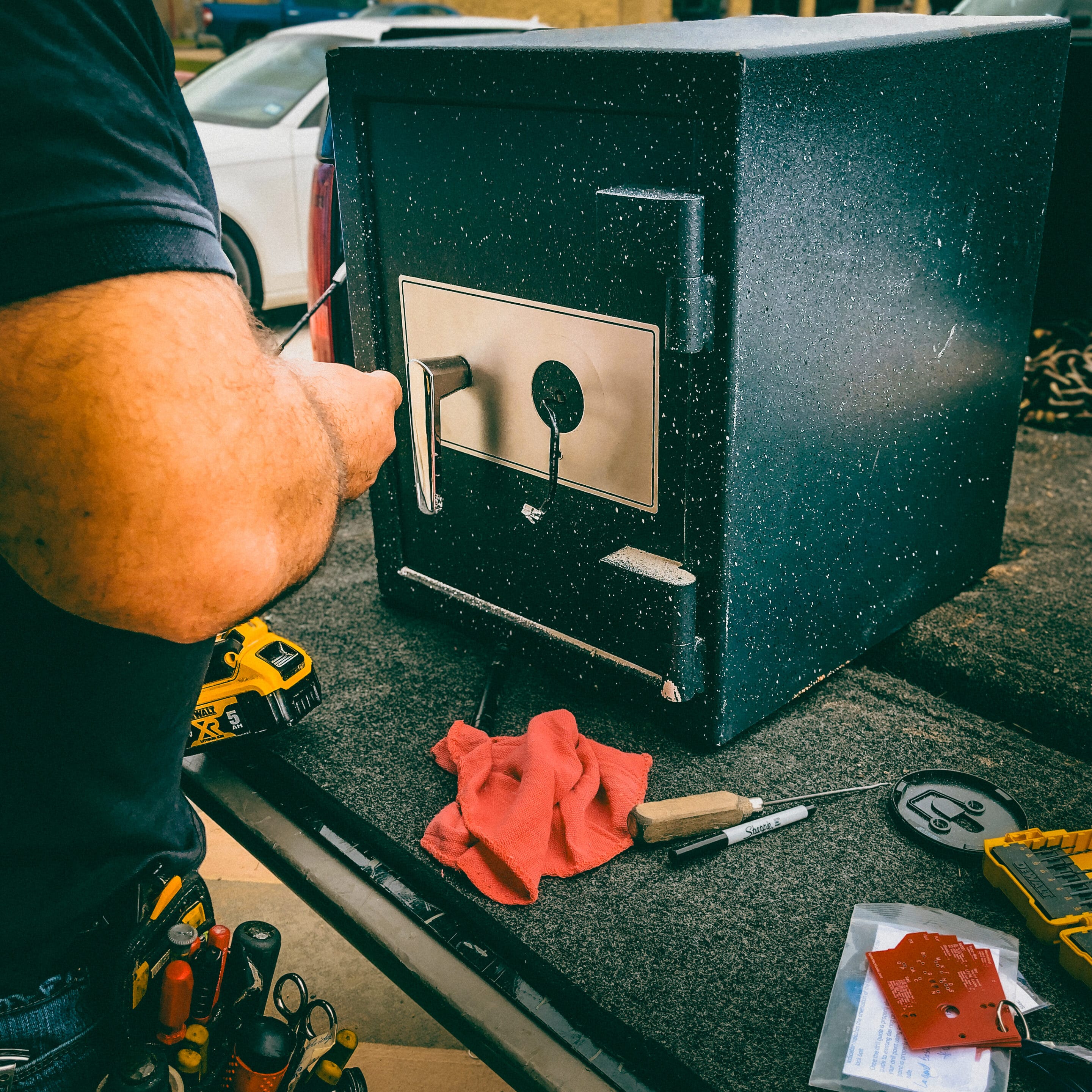
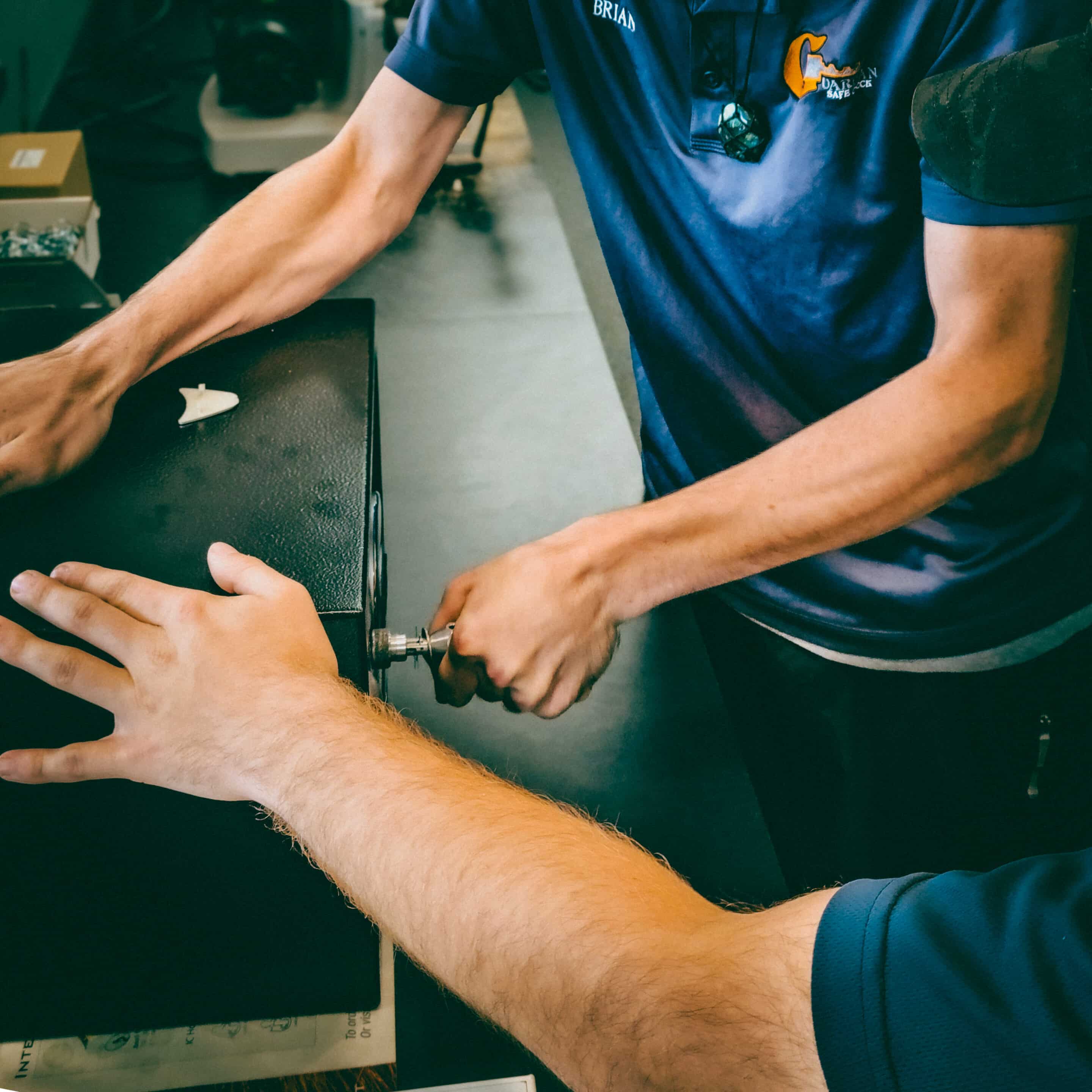
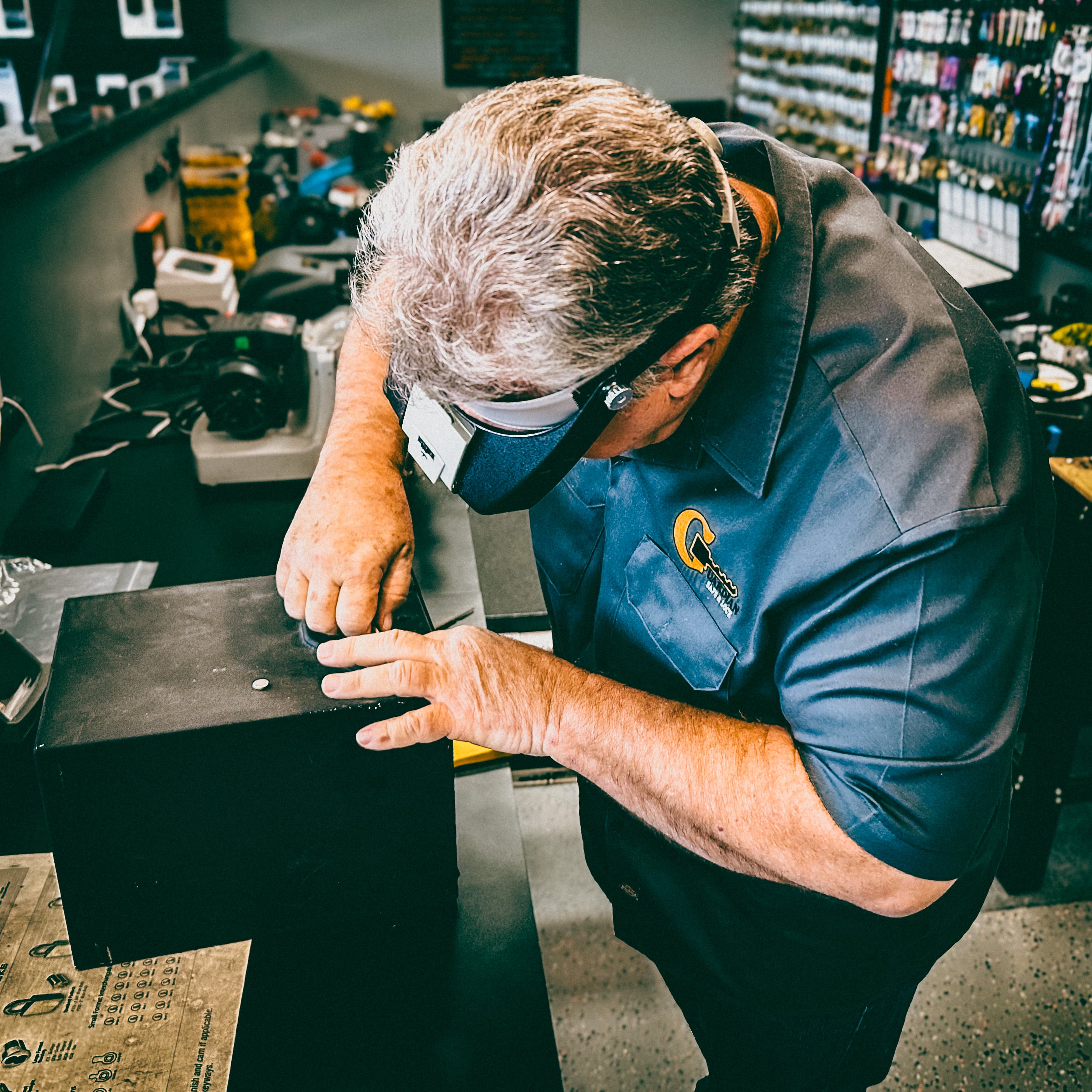
Non‑Destructive & Minimally Invasive Techniques
In many cases, especially with certain mechanical or electronic locks, it may be possible to open the safe without drilling or permanent damage.
Examples of less‑invasive approaches include:
- Diagnosing and correcting power or keypad issues on electronic locks.
- Using appropriate procedures for locks that have manufacturer‑supported opening methods in specific failure modes.
- Carefully manipulating mechanical combination locks when their internal tolerances still allow for this type of work.
Non‑destructive methods are not always possible, particularly with certain types of damage or full internal failures, but when they are available and appropriate, we give them priority.
When Drilling or Other Invasive Work Is Necessary
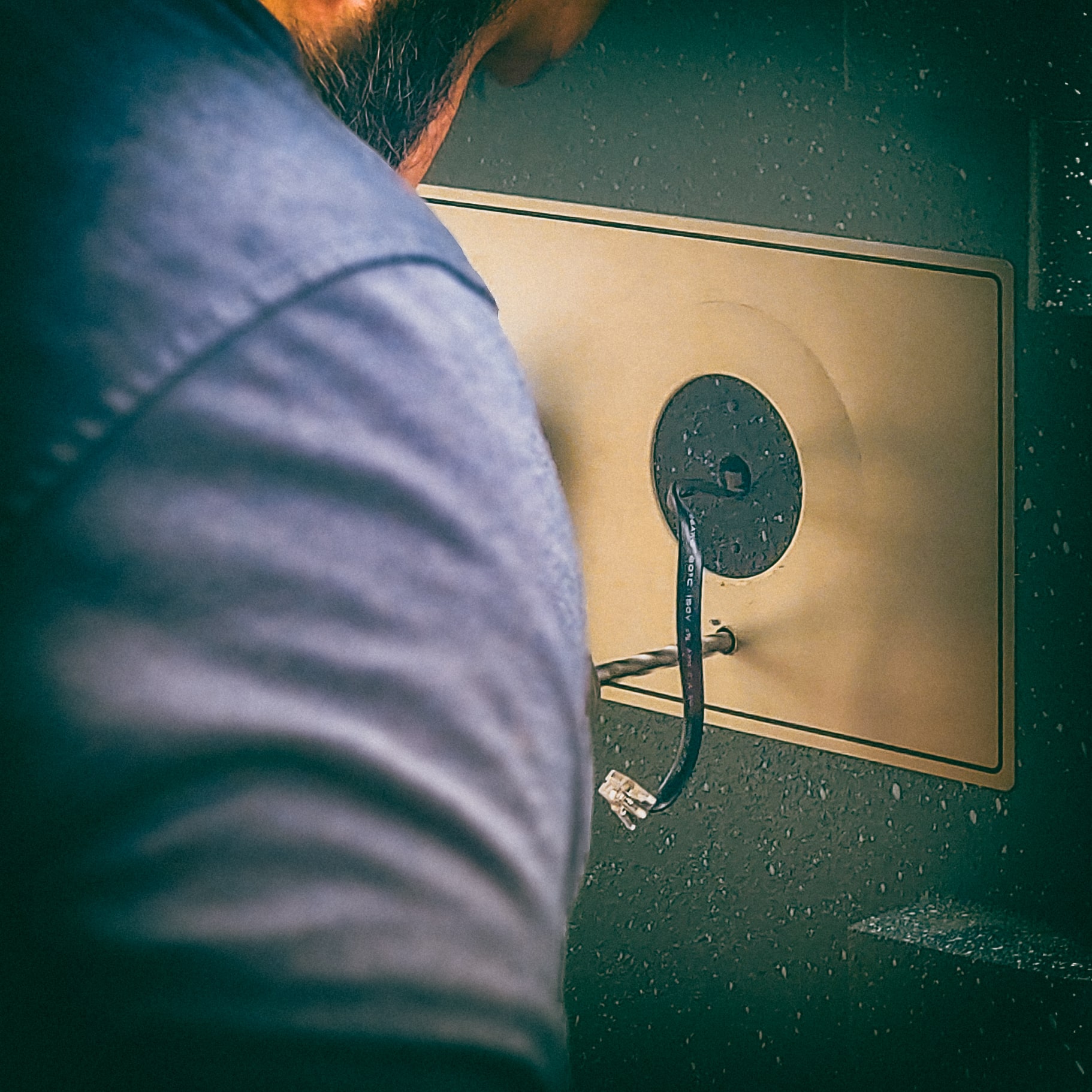
Some safe failures cannot realistically be resolved without drilling or other carefully controlled invasive techniques. This is particularly true when internal parts have broken, seized, or otherwise failed in ways that cannot be corrected externally.
In those cases, we:
- Identify the safest and most effective drill point(s) based on the safe’s design and lock type.
- Use proper techniques and tools to minimize the size and number of openings.
- Protect the interior as much as possible from metal shavings and debris.
- Plan for restoring the safe after opening, which may include patching, lock replacement, or other repairs as appropriate.
These procedures are performed only when necessary, and only after we discuss the implications with you so you understand what will be involved.
Protecting the Contents of Your Safe
One of the most important concerns during a safe opening is the protection of what is inside. While some situations—such as severe fire damage or extreme structural failure—may limit what is possible, we take practical steps to minimize risk to contents.
This includes:
- Positioning and supporting the door and safe to avoid sudden movements when the lock or bolts release.
- Managing dust and metal shavings from any drilling or cutting work as carefully as possible.
- Using methods and access points that are chosen with the interior layout of the safe in mind.
Once the safe is open, you remain in control of your contents. If any internal repairs or cleaning are needed, we will discuss those steps with you.
After the Safe Is Open: Repair, Replacement, & Upgrades
The job is not truly finished until you decide what happens next with the safe. After opening, we can:
- Repair damaged or misaligned components if the safe is otherwise sound.
- Replace or upgrade the lock if it has failed or is no longer reliable.
- Change combinations or codes to re‑establish secure control of access.
- Advise on replacement if the safe has been compromised beyond what can reasonably be restored.
You may choose to restore the safe to service, upgrade its lock, or plan for a replacement depending on its age, condition, and how critical it is to your security.
When to Call for Safe Opening Help
You should contact a safe locksmith promptly if:
- Your normal combination or code stops working, and you are certain it is correct.
- The handle suddenly feels different, binds, or spins with no result.
- An electronic keypad fails, shows unusual behavior, or remains unresponsive even after fresh batteries and basic checks.
- The safe is damaged from a move, impact, or attempted forced entry and will not open.
- You have inherited or purchased a safe and have no working combination or code.
Trying to force the handle, repeatedly entering codes, or attempting unplanned drilling or cutting can turn a solvable problem into a much more serious one.
Service Area & Scheduling
Based in Tomball, we serve the Greater Houston area, including (but not limited to) the surrounding suburbs:
Tomball • Bryan • College Station • Conroe • Cypress • Humble • Katy • Kingwood • Magnolia • Pasadena • Porter • Spring • Sugar Land • The Woodlands • & more!
If you are outside these areas, we may still be able to service you: Call 832-534-8687 to confirm availability.
When you call or message us, it helps to have:
-
Whether the lock is a mechanical dial, keypad, or another type.
-
The safe’s brand and approximate size, if known.
-
A description of what happened just before it stopped opening.
-
Any photos you can provide of the front of the safe and the lock area.
With that information, we can better estimate the work involved, explain likely approaches, and schedule a service visit that matches the urgency of your situation.
Can you open my safe without damaging it?
In many cases, yes.
When conditions allow, we start with non‑destructive or minimally invasive methods tailored to your lock type and safe construction.
However, if internal components have failed or the safe has been damaged, a controlled drilling or similar procedure may be the only realistic way to open it; when that is necessary, we explain why and plan for restoring the safe afterward.
How much does it cost to have a safe professionally opened?
The cost depends on the type of safe, the lock (mechanical dial, electronic keypad, or other), its location, and the nature of the problem.
A simple opening on an accessible residential safe is typically less than opening a large commercial or high‑security safe, especially if drilling and restoration are required; we provide a price range or estimate once we understand your specific situation.
What information do you need before you come out to open my safe?
Before a service visit, it is very helpful if you can tell us: whether your lock is a dial or keypad, the brand or model of the safe (if known), where the safe is located in the building, and what happened just before it stopped opening.
When possible, pictures of the safe are priceless. Photos of the safe front, the lock area, and any visible damage allow us to better prepare, choose the right tools, and give you clearer expectations about how we are likely to open it.
Will you be able to repair or reuse my safe after you open it?
In many cases, yes.
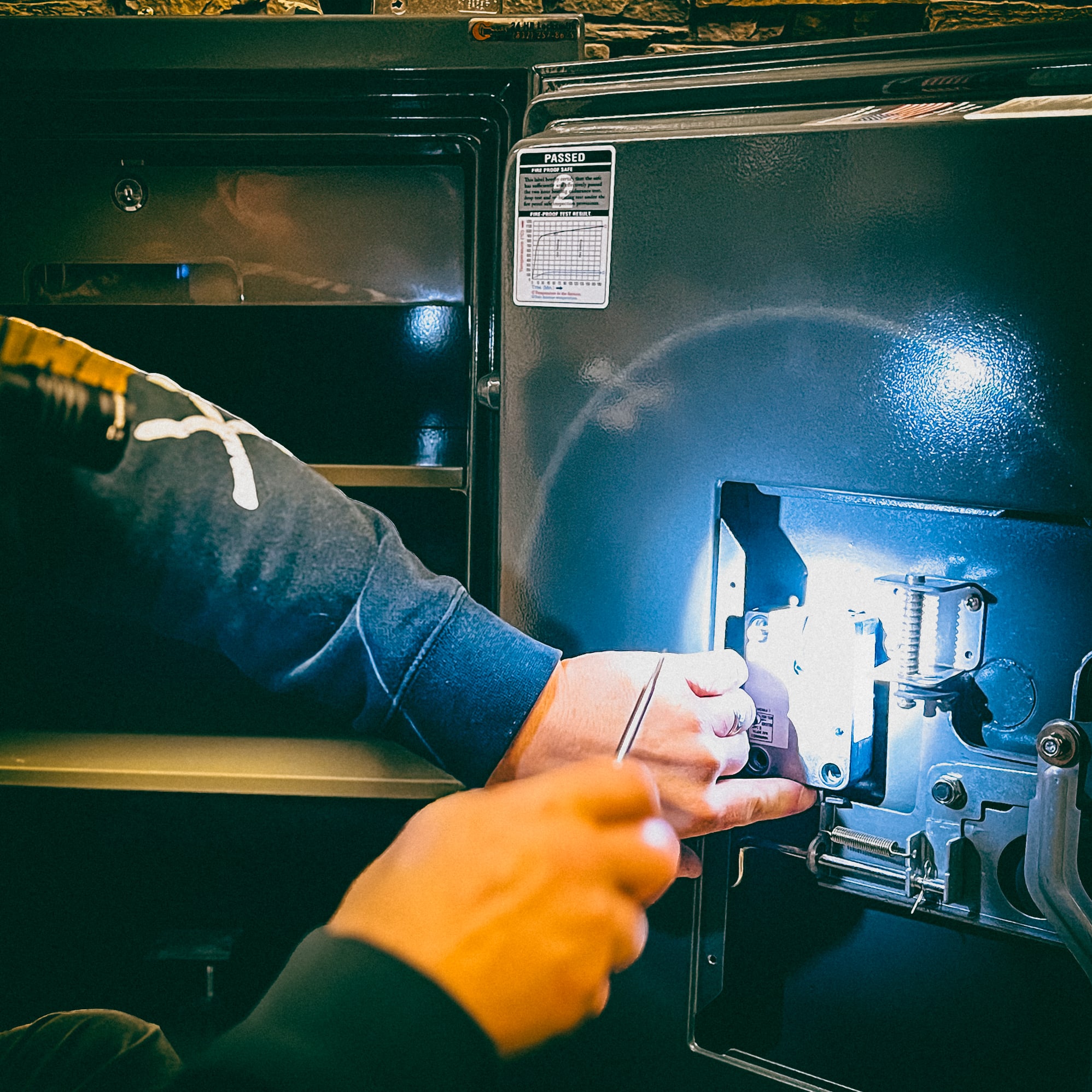
Once the safe is open, we inspect the lock, door, and boltwork to see whether they can be repaired, whether the lock should be replaced or upgraded, and whether the safe body and door are still structurally sound.
If the safe can be restored to a level we would confidently recommend, we outline repair and lock replacement options; if the damage is too severe or the safe is no longer a good candidate for secure use, we explain that honestly and discuss replacement.
How long does a safe opening typically take?
Most straightforward openings on common residential and light commercial safes can be completed within about one to two hours on site, assuming reasonable access and no unusual complications.
High‑security (TL) safes, severely damaged units, or other such situations requiring extensive drilling and restoration can take longer; after reviewing your details, we will give you a realistic time frame so you can plan accordingly.
Need Help With A Safe That Won't Open?
If your safe will not open, guessing at the cause or forcing it can quickly make things worse. A professional safe opening combines careful diagnosis, appropriate techniques, and a plan for what happens after the door is finally open.
Contact our professional safe locksmith team:
Call: 832-534-8687 (click to call on mobile)
Text: 832-493-5888 (Tap to text, including images)
Visit: 27920 Tomball Pkwy, Ste. 240, Tomball, TX 77375
Email: [email protected]
By contacting a trained safe locksmith as soon as you recognize there is a problem, you give yourself the best chance of protecting both your safe and the valuables inside—and of returning to normal use with confidence once the issue is resolved.
Other Security & Locksmith Services We Offer
Looking for more security options? You can also call, text, or email us about other options, including:
- Residential locksmith services (Including Mailbox, Gate & Exterior Residential Locks, Residential Door Hardware Upgrades, Residential Key Duplication & Spare Keys, Residential Lock Installation & Replacement, Residential Lock Repair & Troubleshooting, Residential Rekey Services, and Smart Locks & Keyless Entry)
- Automotive locksmith services (Including broken car key removal, automotive rekeying, laser-cut car key duplication, ignition & door cylinder repair, key fob programming, specialty vehicle keys, transponder key programming, and VIN-code key generation.
- Intercom Systems (Audio & Video)
- Access Control system installation (including automatic door openers, card access & mobile credentials, commercial buzz-in systems, commercial keypad locks, electric strikes, magnetic locks, and other forms of electronic door hardware.
- Surveillance Cameras (Including Eagle Eye Networks, Alibi, and Hikvision systems)
- Audio & Video Intercom Systems (Audio & Video)
- Emergency locksmith services
- Houston Safes & Houston Gun Safes (including sales & services)