
Safe Lock Replacement & Upgrades
Safe Lock Replacement & Upgrade Services In Greater Houston
Safe lock replacement and upgrades are often the most effective way to improve both the reliability and day‑to‑day usability of your safe. When a lock is worn, outdated, or no longer matches how you use the safe, replacing it can be a better investment than continuing to work around its issues.
Guardian Safe & Lock provides professional safe lock replacement and upgrade services throughout Greater Houston, working on both mechanical dials and electronic keypads, as well as the lock bodies and boltworks they control.
Call 832-534-8687, or text (including images) 832-493-5888 to discuss safe lock replacement and upgrade services with a locksmith professional today.
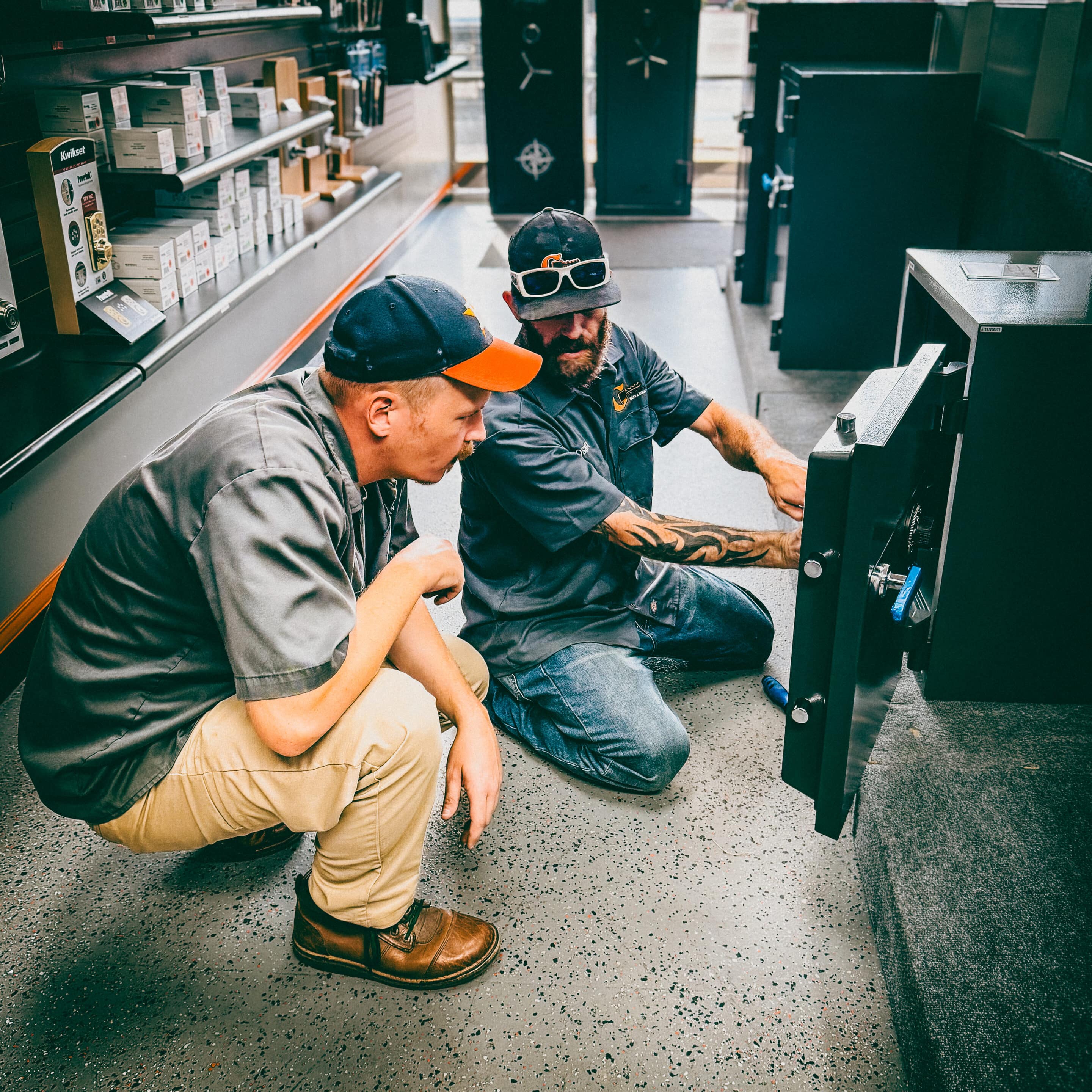
Safe Lock Replacement & Upgrades in Greater Houston
Safe locks are specialized devices designed to withstand years of use and a range of attack methods. As with any precision component, they can eventually wear out, become unreliable, or fall behind current security needs.
Our technicians replace and upgrade locks on many types of safes, including gun safes, home and office safes, commercial depository safes, and higher‑security units, with a focus on keeping the safe serviceable and secure for the long term.
When to Consider Replacing a Safe Lock
Replacing or upgrading a safe lock is worth considering when you notice any of the following:
- Repeated keypad failures, error codes, or intermittent operation.
- A mechanical dial that becomes difficult to turn, “drifts,” or no longer feels precise.
- Frequent lockouts or near‑lockouts that are not caused by user error.
- A lock that has already been drilled or heavily repaired.
- A change in how you use the safe (more users, different hours, new access needs).
- Desire for features like faster access, multiple user codes, or audit capabilities on supported models.
In many of these cases, replacing or upgrading the lock can restore confidence in the safe and reduce the risk of sudden, costly lockouts.
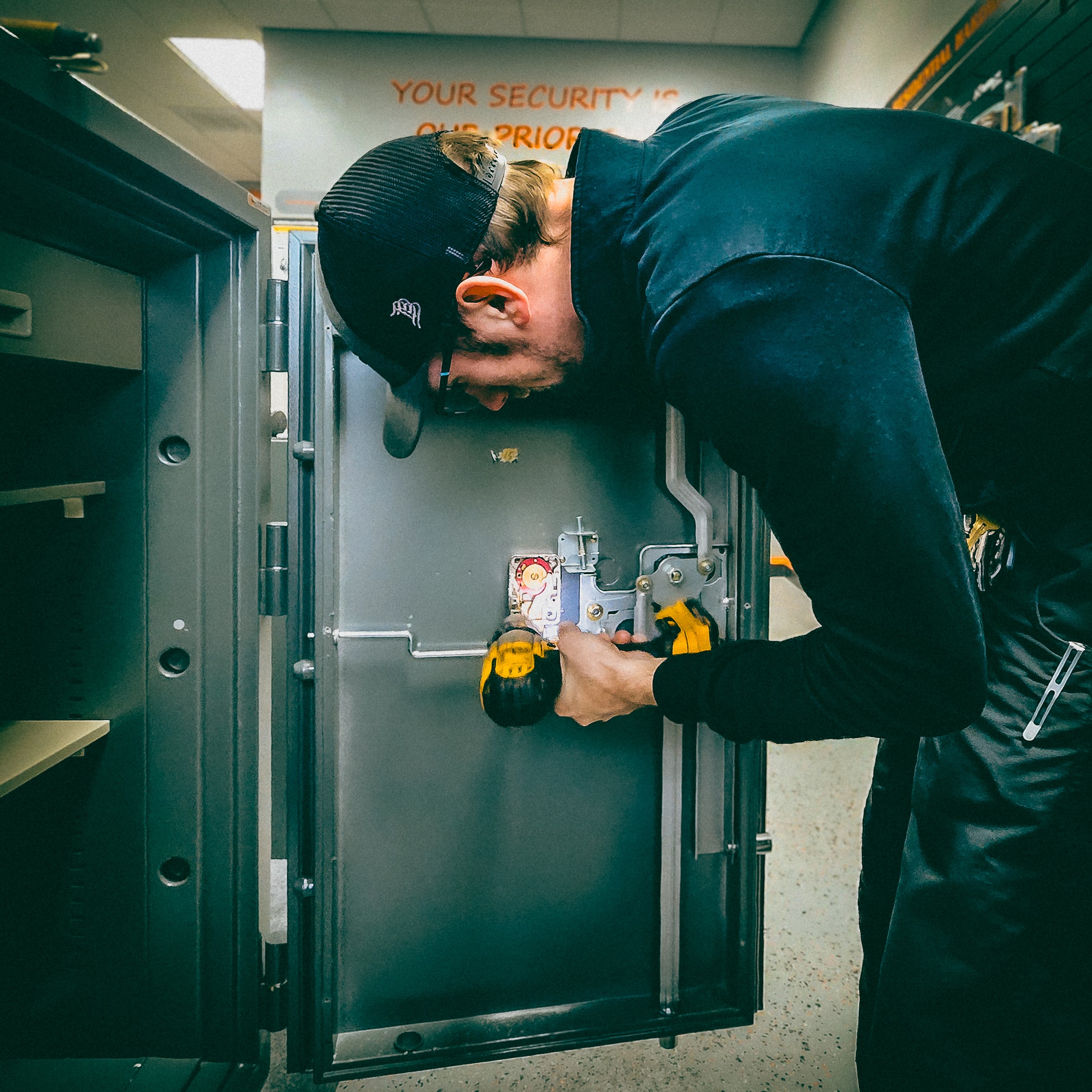
Mechanical Dial Lock Options
Mechanical combination locks have a long track record of reliability and do not depend on batteries or external power. Many owners prefer them for their simplicity and durability.
Common options for mechanical dial work include:
- Replacement in kind: Installing a new mechanical lock body and dial of a similar type when the original has become unreliable or damaged.
- Upgrading model or manufacturer: Moving to a higher‑quality mechanical lock within the same general style, while keeping the same overall “dial experience.”
- Dial and bezel updates: Replacing worn or hard‑to‑read dials and bezels while servicing or replacing the internal lock body.
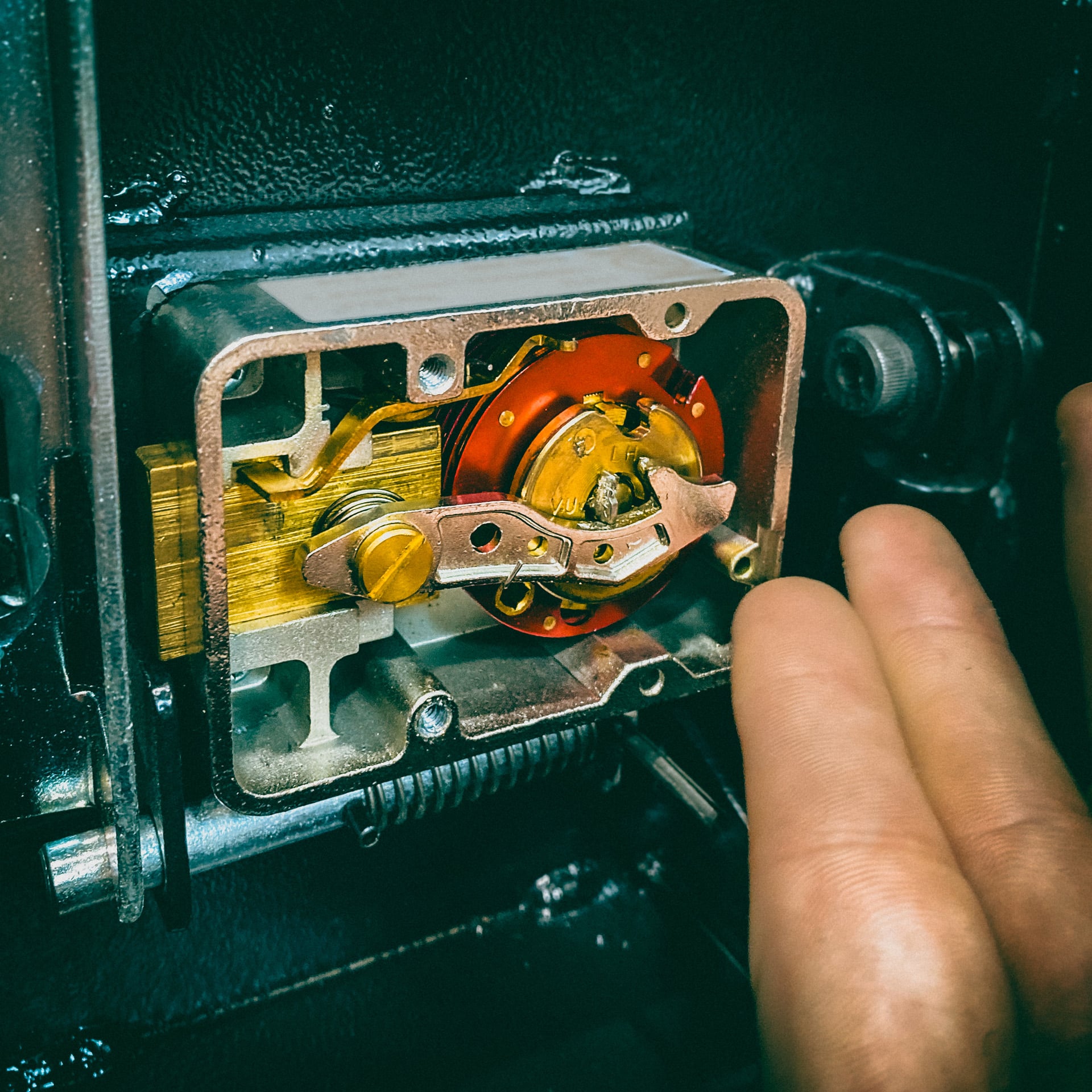
Mechanical locks rely on internal wheels, levers, and other components working exactly as designed. When those parts wear, the lock can become inconsistent. A new, properly installed mechanical lock can restore the original feel and reliability while preserving the familiar dial interface.
Electronic Keypad Lock Options
Electronic safe locks use a keypad instead of a turning dial, often with support for multiple user codes and additional features. They are popular for their speed and convenience, especially where several people need access or the safe is opened frequently.
Typical electronic lock options include:
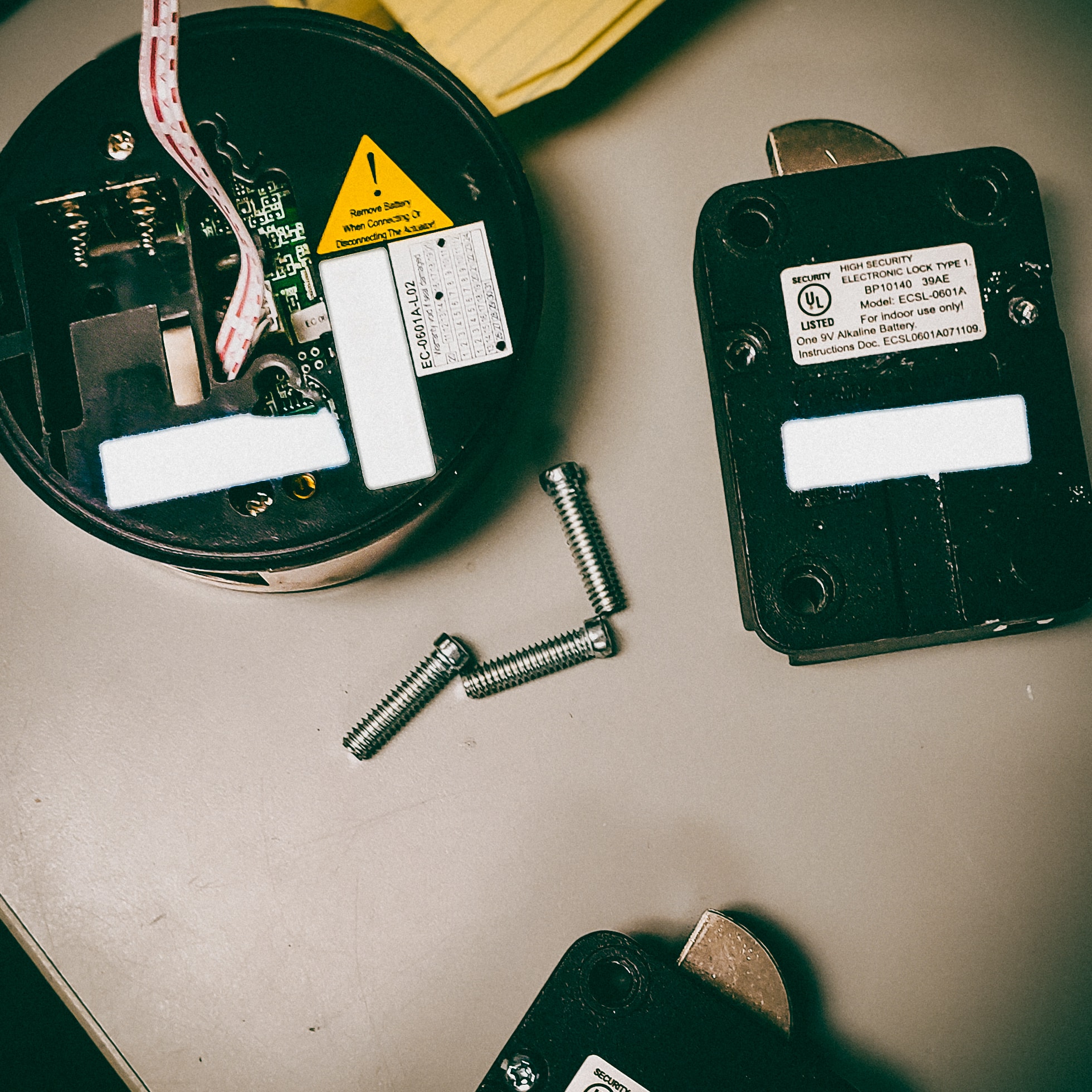
- Replacing a failing keypad and lock body: Installing a new electronic lock when the existing one becomes unreliable or fails completely.
- Upgrading to a different electronic model: Moving to a lock with features better suited to your needs, such as multiple codes, time delay options on supported locks, or other management features.
- Converting from dial to keypad: Replacing a mechanical dial lock with a compatible electronic lock where the safe’s design supports it, for faster access and easier code changes.
Electronic locks do require batteries and have specific programming procedures, but a quality unit, installed correctly, can provide years of convenient service with proper use and maintenance.
Balancing Security, Usability, & Serviceability
Choosing a new lock for a safe involves more than picking a dial or keypad. We help you consider three key factors together:
- Security: The lock should be appropriate for the safe’s construction and expected threat level. A higher‑risk environment may justify more robust or feature‑rich locking hardware.
- Usability: The lock must fit how you actually use the safe—how often it is opened, how many people need access, and how comfortable they are with mechanical or electronic interfaces.
- Serviceability: Future maintenance, code changes, and repairs should be realistic. Industry‑standard and widely supported locks generally offer more options for long‑term service.
By weighing these factors, we can recommend lock options that are not only secure but practical for day‑to‑day use and support.
Industry‑Standard, Integrated, & Proprietary Lock Bodies
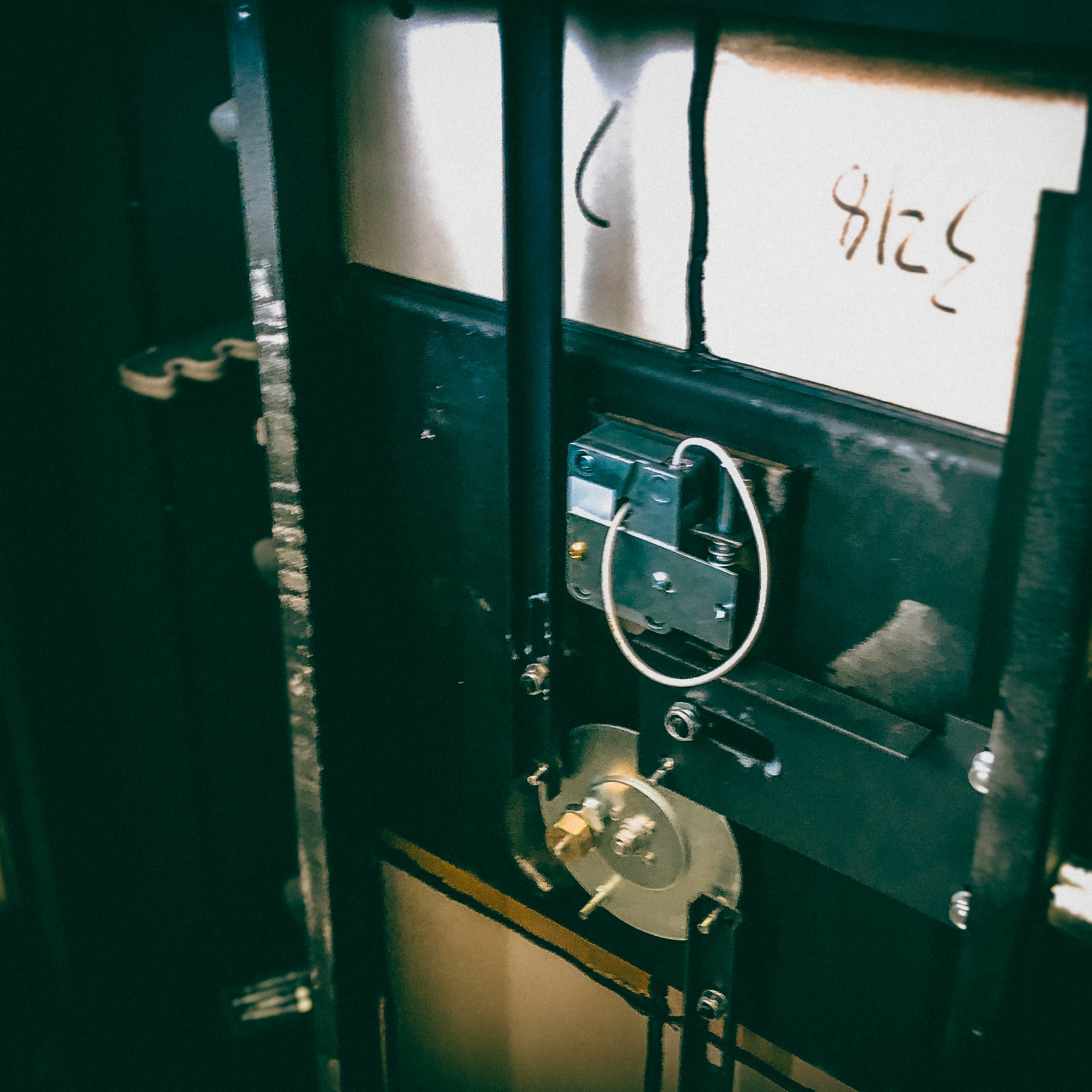
Behind every dial or keypad is a lock body mounted inside the safe door. These lock bodies come in several broad categories that affect serviceability and upgrade options:
- Industry‑standard safe locks: Many safes use lock bodies built to widely accepted patterns, often with standardized boltwork interfaces and mounting footprints. These can often be replaced with compatible mechanical or electronic locks from reputable manufacturers.
- Integrated or semi‑proprietary systems: Some safes use lock bodies and keypads designed to work together as a matched system, sharing wiring, power, and specific operating logic. Replacements often need to be from the same maker or a compatible line, but there may still be choices within that system.
- Fully proprietary or narrowly customized locks: Certain manufacturers and some retail‑level safes use highly proprietary lock systems. In these cases, options may be more limited, and replacement may require specific parts or, in some situations, a more extensive modification or discussion about the safe’s long‑term viability.
During evaluation, our technicians identify the type of lock body your safe uses and explain the replacement and upgrade paths that are realistically available.
The Lock Replacement and Upgrade Process
When you contact us about replacing or upgrading a safe lock, the process is designed to clarify options and avoid surprises:
-
Information gathering
We ask about the safe type, brand, or model (if known), current lock type (dial or keypad), where the safe is located, and what problems or goals you have. Photos of the dial/keypad and interior door can be extremely helpful. -
Evaluation and recommendations
Based on the information you provide and, when needed, an on‑site inspection, we determine whether your safe uses a standard, integrated, or proprietary lock body. We then outline replacement and upgrade options, explaining tradeoffs in plain language. -
Quote and approval
We provide a clear estimate for the recommended solution, including parts and labor, and discuss any contingencies (for example, if additional work becomes necessary once the existing lock is removed). -
Removal of the existing lock
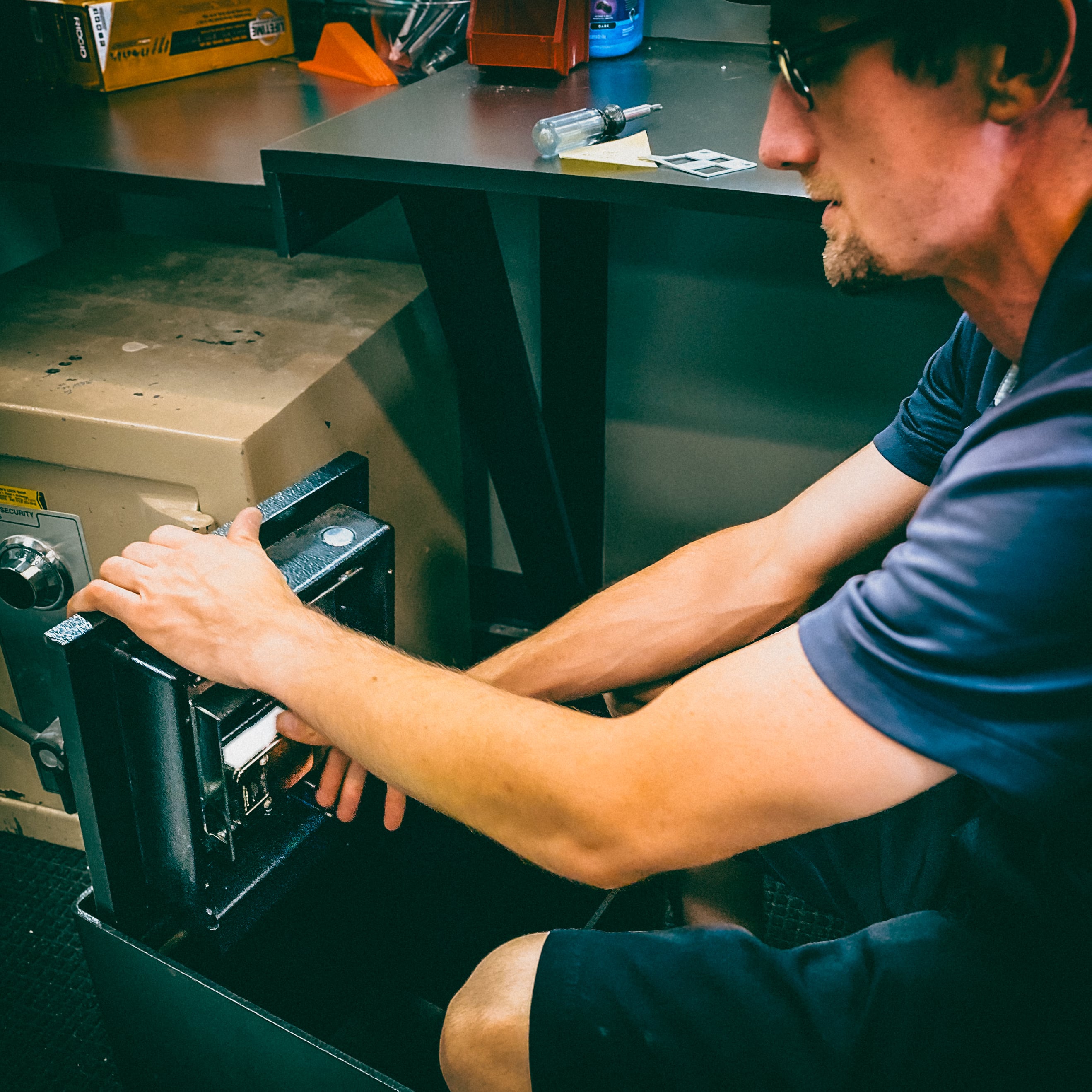
On the scheduled service visit, we safely remove the old lock and any related components, taking care not to compromise the safe body or door. -
Installation of the new lock
We install the new lock body, dial or keypad, and any necessary hardware or adapters according to manufacturer specifications and accepted practices. -
Testing, programming, and training
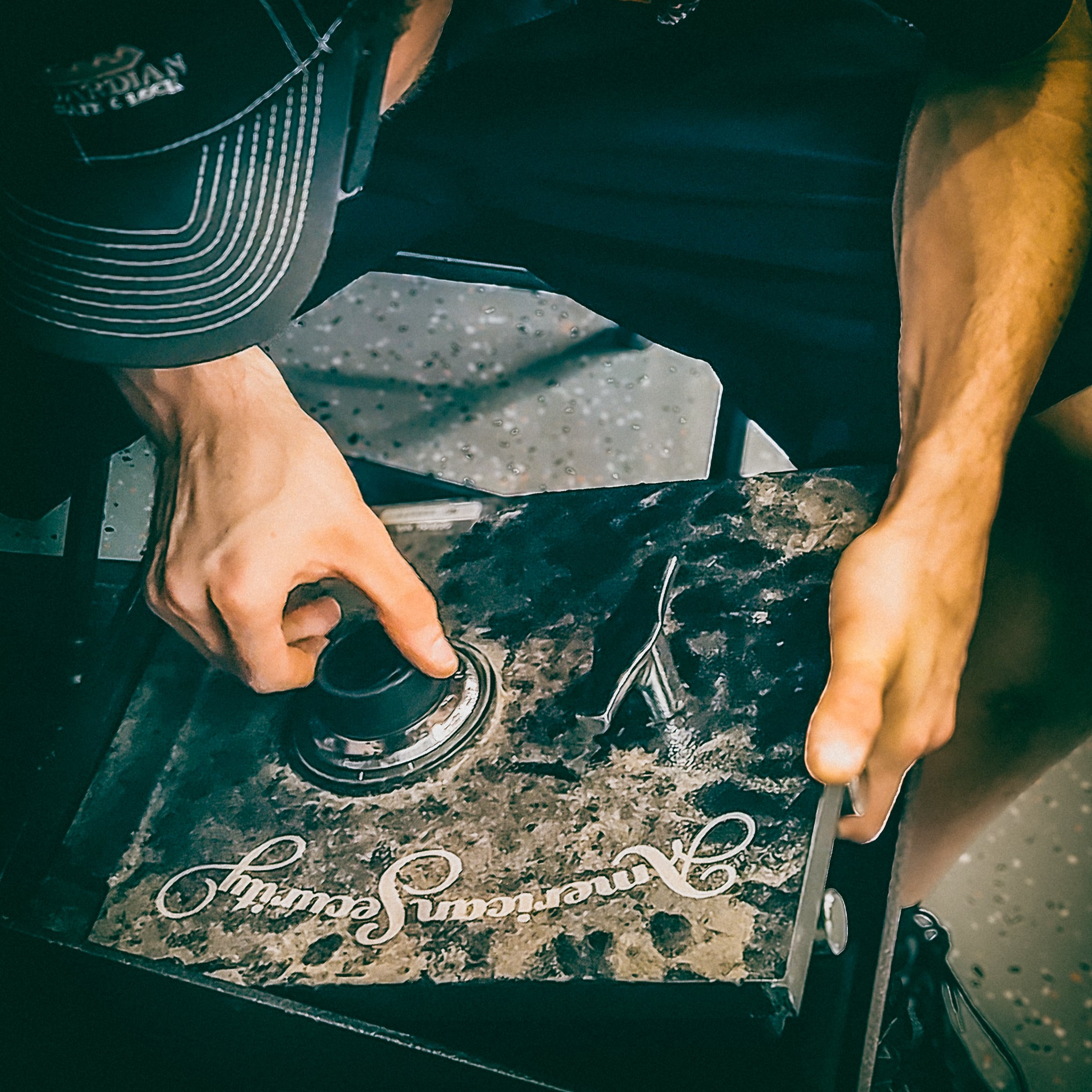
We program combinations or codes, test the lock and boltwork multiple times with the door open, and then verify proper operation with the door closed. We show you how to operate the new lock and go over basic maintenance and battery replacement (for electronic locks). -
Documentation
Where appropriate, we provide documentation about the new lock and its configuration for your own records, policies, or insurance files.
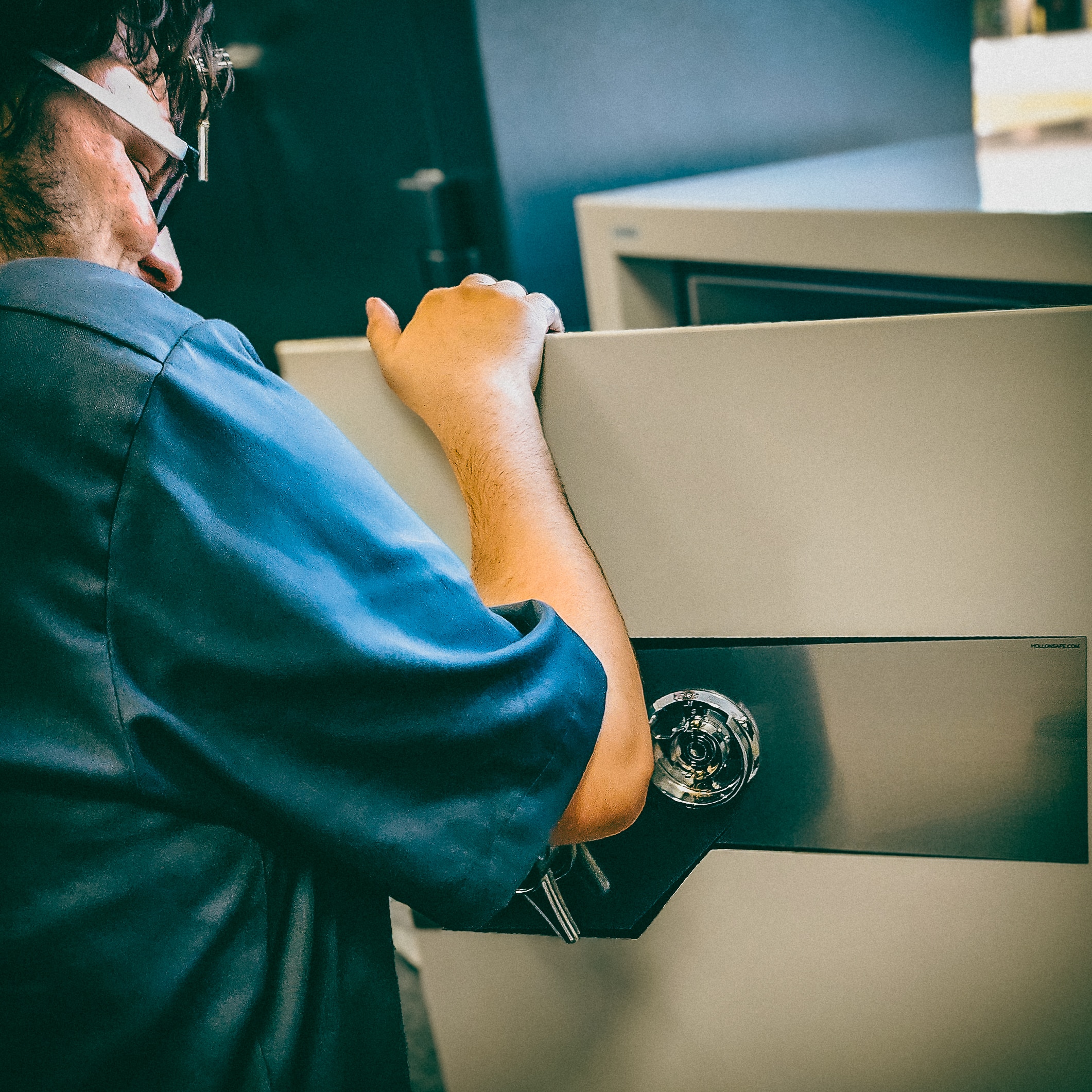
Integrating Lock Upgrades With Our Other Safe Services
Lock replacement and upgrades often make sense as part of broader safe work.
While on site, we can also:
- Inspect the safe for signs of wear, misalignment, or prior damage.
- Address minor issues with hinges and boltworks that may affect lock performance.
- Coordinate combination or code changes to align with your new lock and access policies.
- Discuss delivery, relocation, or bolt‑down work if you are also changing where or how the safe is installed.
Combining related services can reduce disruption and ensure the entire safe system—not just the lock—is working as intended.
Who Benefits Most From Safe Lock Upgrades
While any safe owner can benefit from a more reliable or easier‑to‑use lock, upgrades are especially valuable for:
- Businesses with multiple staff members accessing a safe daily.
- Owners of older safes with locks that have become unreliable or hard to operate.
- Households wanting to move from a single mechanical combination to an electronic lock with individual user codes.
- Environments that need to demonstrate better control over who has access and when.
In each case, a well‑chosen lock upgrade can improve day‑to‑day operations and reduce the chance of emergency lockouts.
Service Area & Scheduling
Based in Tomball, we serve the Greater Houston area, including (but not limited to) the surrounding suburbs:
Tomball • Bryan • College Station • Conroe • Cypress • Humble • Katy • Kingwood • Magnolia • Pasadena • Porter • Spring • Sugar Land • The Woodlands • & more!
If you are outside these areas, we may still be able to service you: Call 832-534-8687 to confirm availability.
When you reach out, having the following information ready will help us move quickly:
- Your safe’s brand and model (if available).
- Whether the current lock is mechanical (dial) or electronic (keypad).
- Any recent issues you have experienced, such as lockouts, failed openings, or error messages.
- Whether you are interested in staying with the same type of lock or moving from dial to keypad or vice versa.
With that information, we can outline your options, provide an estimate, and schedule a service visit that fits your home or business schedule.
When should I consider replacing the lock on my safe instead of just repairing it?
You should consider full lock replacement when the lock has become repeatedly unreliable, has already required significant repairs, or is approaching a full failure (frequent errors, near‑lockouts, or inconsistent operation).
Replacement is also wise if the lock is outdated for your current needs—for example, a basic keypad in a busy commercial setting, or a worn mechanical dial that is increasingly difficult to operate smoothly and accurately.
Can I upgrade my mechanical dial safe to an electronic keypad lock?
In many cases, yes.
If your safe uses a standard‑pattern lock body and has compatible mounting and boltwork, we can remove the mechanical dial lock and install an appropriate electronic safe lock and keypad in its place.
There are some safes with proprietary or unusual hardware where conversion is not practical or advisable; in those situations, we will explain your options and, if needed, recommend a different upgrade path or a like‑for‑like mechanical replacement.
Are electronic keypad locks less secure than mechanical dial locks?
Both quality mechanical and quality electronic safe locks are designed to provide strong security when correctly installed and used on an appropriate safe body, as most of the "security" in a safe is in the construction and boltwork, not the method of entry.
The main differences are in usability and maintenance: electronic locks offer faster access and easier code changes but require batteries and proper programming, while mechanical dials have no electronics to fail but require careful dialing and combination management; the best choice depends on how you use the safe, how often it is opened, and who needs access.
How long does a safe lock replacement or upgrade typically take?
Most straightforward safe lock replacements or upgrades can be completed within about one to two hours on site, depending on the safe’s design, location, and whether we are moving between similar lock types or converting from dial to keypad.
If we discover additional issues—such as damaged boltwork, non‑standard prior modifications, or proprietary parts that require adjustment—we will explain what we find, outline options, and get your approval before performing any extra work.
Will changing or upgrading the lock affect the security rating of my safe?
When done correctly by a qualified safe locksmith using appropriate hardware, lock replacement or upgrades do not change or void a safe's security rating.
The underlying burglary or fire rating of the safe is tied primarily to the safe body, door construction, and tested configuration; using a suitable, properly installed safe lock maintains that performance, while poor‑quality or mismatched hardware can undermine the safe’s overall security—one reason we focus on compatible, well‑supported lock options.
You Security Safe: Delivered And Installed By Guardian Safe & Lock
If your safe lock has become a frequent point of frustration, if you are experiencing intermittent failures, or if your access needs have changed, it may be time to consider a replacement or upgrade.
Contact our professional safe locksmith team:
Call: 832-534-8687 (click to call on mobile)
Text: 832-493-5888 (Tap to text, including images)
Visit: 27920 Tomball Pkwy, Ste. 240, Tomball, TX 77375
Email: [email protected]
A short conversation is often enough to determine whether a like‑for‑like replacement, a move from dial to keypad, or another lock option makes the most sense. From there, we can plan and complete the work so your safe remains both secure and convenient to use for years to come.
Other Security & Locksmith Services We Offer
Looking for more security options? You can also call, text, or email us about other options, including:
- Residential locksmith services (Including Mailbox, Gate & Exterior Residential Locks, Residential Door Hardware Upgrades, Residential Key Duplication & Spare Keys, Residential Lock Installation & Replacement, Residential Lock Repair & Troubleshooting, Residential Rekey Services, and Smart Locks & Keyless Entry)
- Automotive locksmith services (Including broken car key removal, automotive rekeying, laser-cut car key duplication, ignition & door cylinder repair, key fob programming, specialty vehicle keys, transponder key programming, and VIN-code key generation.
- Intercom Systems (Audio & Video)
- Access Control system installation (including automatic door openers, card access & mobile credentials, commercial buzz-in systems, commercial keypad locks, electric strikes, magnetic locks, and other forms of electronic door hardware.
- Surveillance Cameras (Including Eagle Eye Networks, Alibi, and Hikvision systems)
- Audio & Video Intercom Systems (Audio & Video)
- Emergency locksmith services
- Houston Safes & Houston Gun Safes (including sales & services)