
Safe Types Sold & Serviced
Safes & Gun Safes We Sell & Service In The Greater Houston Area
The right safe does more than lock; it protects specific items against specific risks in a specific environment. A safe that is ideal for securing cash in a retail store is not the same safe you should use for firearms, family documents, or a jewelry collection.
Guardian Safe & Lock helps homeowners and businesses across Greater Houston select, install, and service the safe types that match their real-world needs, not just a brochure description.
Call 832-534-8687, or text (including images) 832-493-5888 to discuss safe delivery, repair, or replacement with a locksmith professional today.
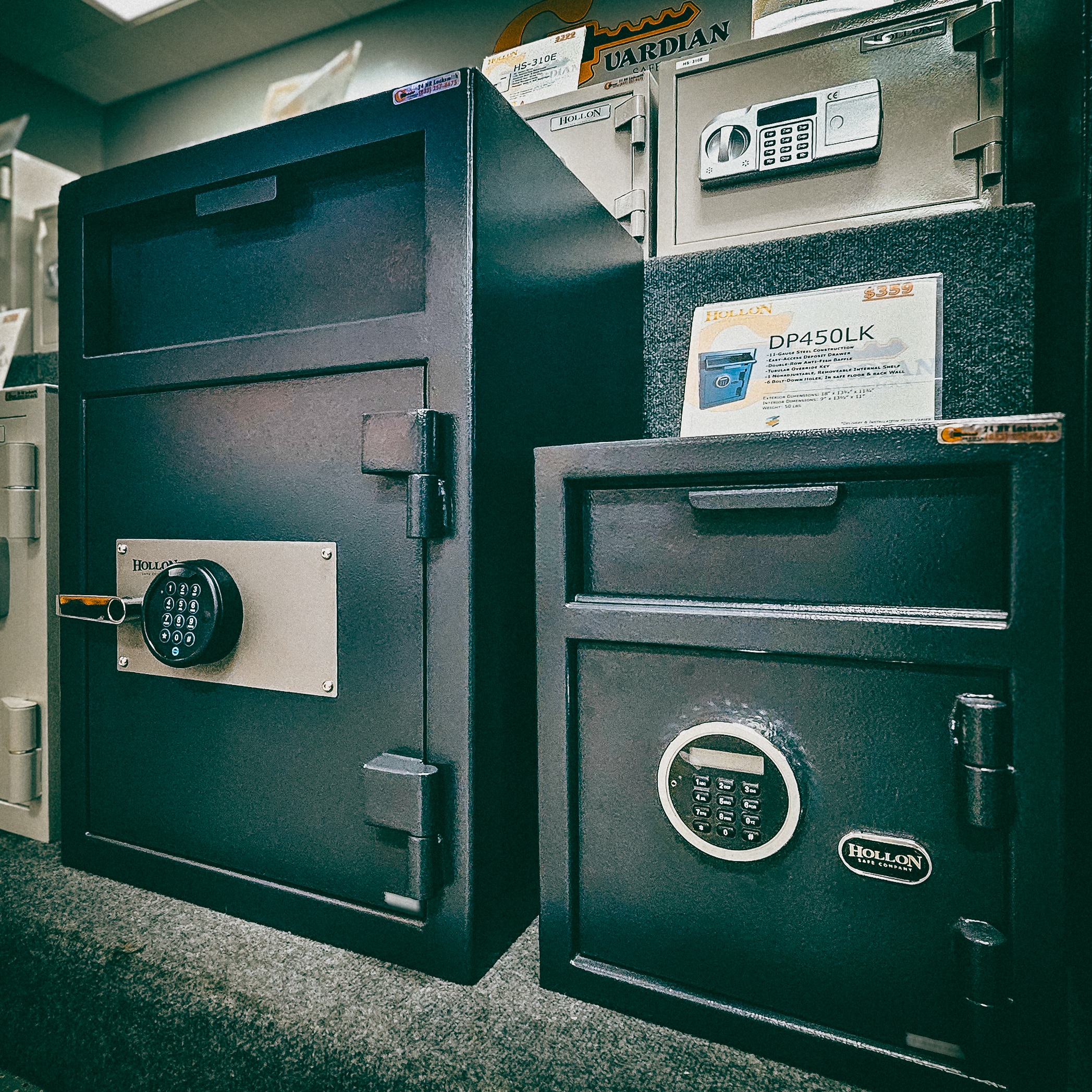
Matching The Right Safe To The Job
Every safe choice should start with three questions:
- What are you protecting?
- What are you protecting it from?
- Where will the safe be installed and used?
Once those are clear, it becomes much easier to choose among burglary safes, commercial and depository safes, fire-rated safes, gun safes, jewelry safes, TL-rated high-security safes, floor safes, and wall safes.
This page gives a practical overview of each type and connects you directly to more detailed information on the specific safe types we sell and service.
Burglary Safes: Defense Against Forced Entry
Burglary safes are built first and foremost to resist physical attacks. They typically use thicker steel, hardened materials, and design features that make prying, drilling, and cutting more difficult.
These are a strong fit when:
- Cash, jewelry, or portable valuables are your main concern.
- Your location has a higher risk of burglary or break-ins.
- You want more resistance than a light “cabinet-style” container can provide.
On our Burglary Safes page, you will find details on construction, door and body thickness, and clear rating language. When you speak with our team, we explain how to weigh burglary resistance against fire protection and budget so you do not over- or under-buy.
Commercial & Depository Safes: Cash and Business Operations
Commercial and depository safes are designed around business workflows. They must support frequent access, controlled deposits, and clear separation between staff and management access.
They are commonly used in:
- Retail stores, restaurants, and hospitality businesses that handle daily cash.
- Service businesses that rely on regular deposits and cash bags.
- Offices that need to securely manage petty cash and daily receipts.
Features may include drop chutes, front- or rear-depository slots, inner compartments, time-delay functions, and configurations that reduce opportunities for internal theft. Our Commercial Safes page covers drop safes, depository safes, and business-focused configurations in more depth.
Fire-Rated Safes: Protection from Heat and Smoke
If your primary concern is fire, a fire-rated safe or a combination burglary/fire safe may be the right starting point. These safes are tested to keep internal temperatures below specific thresholds for defined time periods.
They are a strong fit when you want to protect:
- Birth certificates, passports, and legal documents.
- Insurance policies, titles, financial records, and tax files.
- Certain types of data media, depending on the rating and model.
Our Fire-Rated Safes page explains the differences between fire-only safes, burglary/fire safes, and light-duty “fire boxes,” and helps you understand what common ratings really mean in a house fire or office fire scenario. We also explain how to balance fire ratings against weight, placement options, and budget.
Floor Safes: In-Ground and Out of Sight
Floor safes sit below the surface, typically in a concrete slab or specially prepared flooring. They combine physical resistance with concealment, making them harder to locate and remove in a hurry.
They are often chosen when:
- You want a secure, hidden storage point for cash or small valuables.
- You prefer a built-in installation that does not draw attention.
- Your building has appropriate construction and layout for this kind of safe.
Because floor safes are part of the structure, correct installation and long-term accessibility planning are critical. Our Floor Safes page walks through what to expect from installation, what can and cannot be stored in a floor safe, and how they integrate with your overall security plan.
Gun Safes: Responsible Firearm Storage
Gun safes are built to store firearms securely while still allowing authorized access when needed. The right gun safe depends on the size of your collection, the types of firearms, the risk of unauthorized access, and your fire concerns.
They are used by:
- Homeowners with a few firearms who need safe, child-resistant storage.
- Enthusiasts with larger collections that include long guns, handguns, and optics.
- Owners who want both quick access and protection from theft or fire.
Interior layouts often include adjustable shelving, long-gun racks, handgun storage, and accessory organizers. Our Gun Safes page details the differences between entry-level cabinets and true gun safes, what to look for in a fire rating and door construction, and how to choose a size that suits you now and in the future.
Home Safes: Everyday Security for Families
Home safes are general-purpose units meant to hold the important items you do not want left in drawers or file cabinets. They usually offer a balanced mix of burglary resistance, fire protection, and practicality.
Common uses include:
- Storing passports, Social Security cards, and important personal documents.
- Keeping small electronics, cash, and sentimental items out of sight and secured.
- Providing a central location for household records and backup media.
Our Home Safes page helps you choose the right size, rating, and lock type for your household, and discusses where these safes can be placed and anchored to offer real protection rather than just convenience. We can also coordinate combination changes and lock upgrades as your family and access needs change over time.
Jewelry Safes: Security and Organization Combined
Jewelry safes combine higher security construction with interiors made for jewelry, watches, and small luxury items. Instead of plain shelving, they typically include drawers, lined compartments, and sometimes watch-specific features.
They are a good fit when:
- You have a jewelry collection that needs more than a standard shelf.
- You want quick access while still protecting high-value items from theft.
- You prefer an interior layout that keeps items separated and easy to inventory.
On our Jewelry Safes page, you will see examples of interiors, drawer configurations, and rating levels appropriate for different collection sizes and risk profiles. Because these safes often represent a significant investment, we make sure you understand both the security and organizational benefits before you decide.
TL-Rated Safes: High-Security for High-Risk Environments
TL-rated safes are tested to rigorous standards that measure how long they can resist specific tool attacks on the door, and in some cases on the body. Ratings such as TL-15 and TL-30 correspond to defined testing durations and methods.
They are commonly selected by:
- Jewelers, pawn shops, and high-value retail stores.
- Businesses that handle large amounts of cash or valuables.
- Facilities where insurance, corporate policy, or regulations specify a minimum safe rating.
Our TL-Rated Safes page explains what the different TL ratings mean, how they are tested, and how to match a rating to your insurance and operational requirements.
Wall Safes: Concealed, Convenient Access
Wall safes are designed to fit between wall studs and are typically concealed behind artwork, mirrors, or furniture. They offer convenient access and concealment for small items.
They are most appropriate when:
- You want a hidden storage option for documents or small valuables.
- Floor space is limited or already in use.
- You understand that concealment is a major part of their value and pair them with other security measures.
Our Wall Safes page discusses construction, depth limitations, and realistic expectations for how much burglary and fire protection a wall safe can provide compared to a full-sized unit.
When installed properly and used for the right items, they are a useful part of a layered security strategy.
An Important Installation Disclaimer
We sell in-ground (floor) safes and in-wall (wall) safes, but we do not perform in-ground installation or in-wall construction.
Those installations require licensed structural or building contractors.
We will coordinate with your contractor or recommend qualified partners, and then complete the final delivery.
Some of the Safe & Gun Safe Brands Offered by Guardian Safe & Lock are:



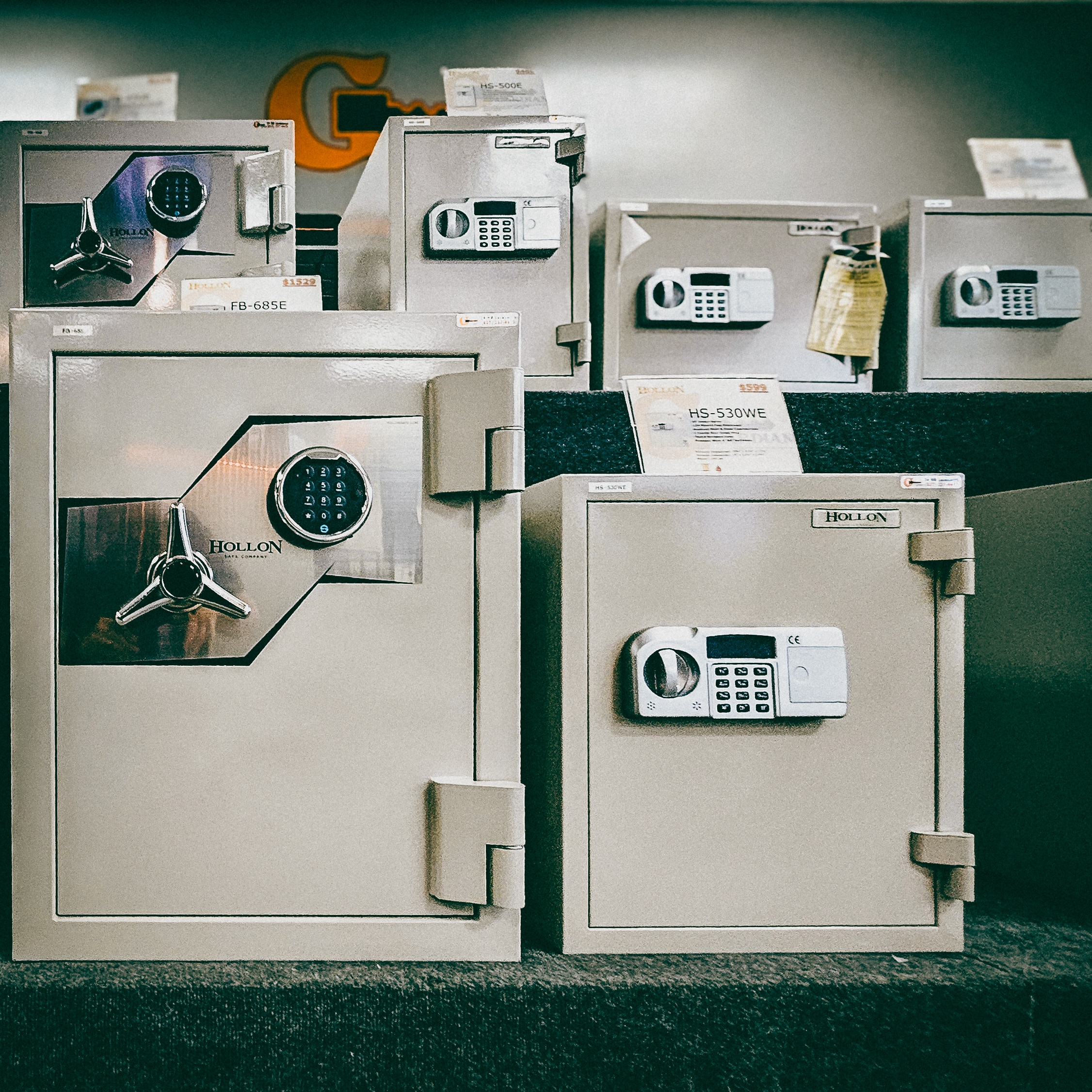
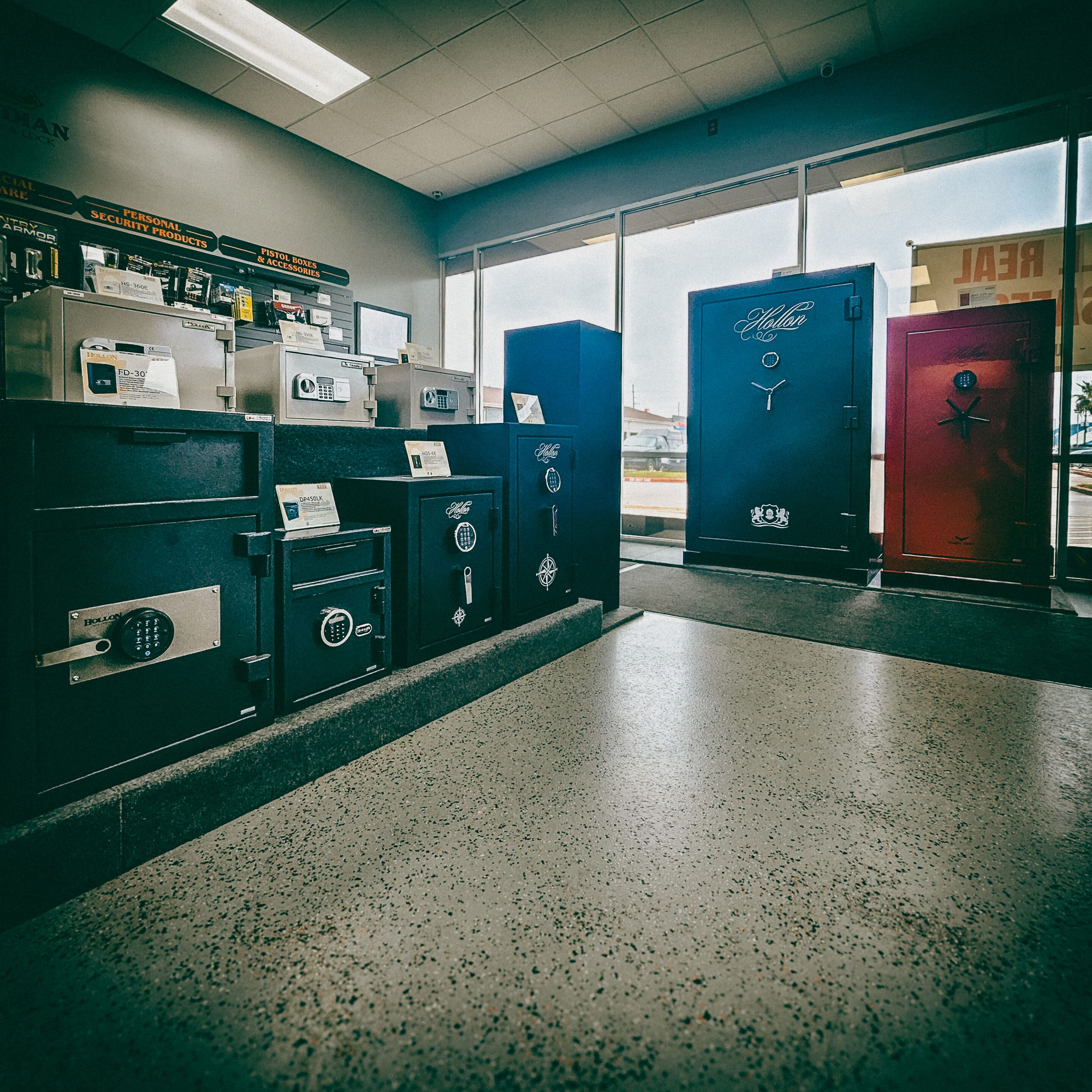
Seeing Different Safe Types in Person
Reading about safe types is helpful, but many customers find it easier to make decisions once they can see and feel the construction, door weight, and interior layouts in person.
When you visit our showroom, we can:
-
Walk you through burglary safes, commercial safes, fire-rated safes, floor safes, gun safes, home safes, jewelry safes, TL-rated safes, and wall safes side-by-side.
-
Show you real examples of doors, hinges, boltworks, and lock options.
-
Demonstrate how different safe types open, close, and feel in use.
From there, we can narrow down a short list of models that fit your needs, then pair your selection with professional delivery, installation, and future safe locksmith services.
Safes We Service, Even If You Already Own One
You do not have to buy a new safe to work with our team. In many cases, we can open, repair, and upgrade existing burglary safes, commercial safes, fire safes, gun safes, jewelry safes, TL-rated safes, floor safes, and wall safes you already own.
If you are not sure which type you have, we can typically identify it from photos and measurements, then advise you on whether it is still appropriate for your current needs or whether another type may serve you better.
What type of safe do I actually need for my situation?
At Guardian Safe & Lock, we start by looking at three factors: what you are protecting, what you are protecting it from, and where the safe will be installed.
If burglary (theft) is your primary concern, a burglary safe or TL‑rated high‑security safe is usually the right foundation. If fire is your primary concern, a fire‑rated or burglary/fire safe is often more appropriate. For firearms, a properly constructed gun safe that balances security, capacity, and responsible access is essential.
Once those basics are clear, we help you select the correct safe type and model for your home or business instead of guessing from marketing terms alone.
What is the difference between a burglary safe, a fire safe, and a burglary/fire safe?
- A burglary safe focuses on resisting forced entry using thicker steel, hardened materials, and more robust construction, but may provide limited fire protection.
- A fire safe is designed primarily to keep internal temperatures low enough to protect paper and, in some models, digital media during a fire, but may offer less resistance to physical attacks.
- A burglary/fire safe combines both approaches to provide a balanced level of theft and fire protection.
Our role is to help you understand these tradeoffs and choose the mix that fits your real‑world risk profile.
When should I consider a TL‑rated safe instead of a standard burglary safe?
TL‑rated safes are built and independently tested to resist certain tool attacks for a specified period of time (for example, TL‑15 or TL‑30).
We recommend TL‑rated safes for higher‑risk environments such as jewelry stores, pawn shops, high‑value retail, and businesses or individuals storing very high‑value items or large amounts of cash. In those cases, a standard residential burglary safe may not satisfy insurance requirements or provide the level of resistance you actually need, and a TL‑rated unit is the more appropriate choice.
Are wall safes and floor safes as secure as full‑size freestanding safes?
Wall safes and floor safes have their place, but they are not direct one‑for‑one replacements for heavy freestanding units.
Wall safes rely heavily on concealment and the strength of the surrounding wall; they are excellent for small items and documents when used as part of a layered security plan, but they generally offer less burglary and fire protection than a true high‑security or fire‑rated safe.
Floor safes, when properly installed in concrete, can offer strong protection and concealment for certain types of valuables, but they have limitations in capacity, ergonomics, and what can safely be stored inside.
We explain these limitations clearly so you know when these options are appropriate and when a traditional safe is the better solution.
Can one safe type cover everything—cash, documents, jewelry, firearms, and backups—or do I need more than one safe?
In some homes and small businesses, a well‑chosen burglary/fire safe can reasonably cover multiple categories, such as documents, some cash, and a modest amount of jewelry.
However, once your needs expand—larger cash volumes, higher‑value jewelry, a growing firearm collection, or strict business/insurance requirements—it is often safer and more practical to use separate safes designed for each role (for example, a TL‑rated safe for high‑value items and a dedicated gun safe for firearms).
We routinely help customers design a safe strategy that may involve one carefully chosen unit or a small set of complementary safes, depending on budget, risk level, and space.
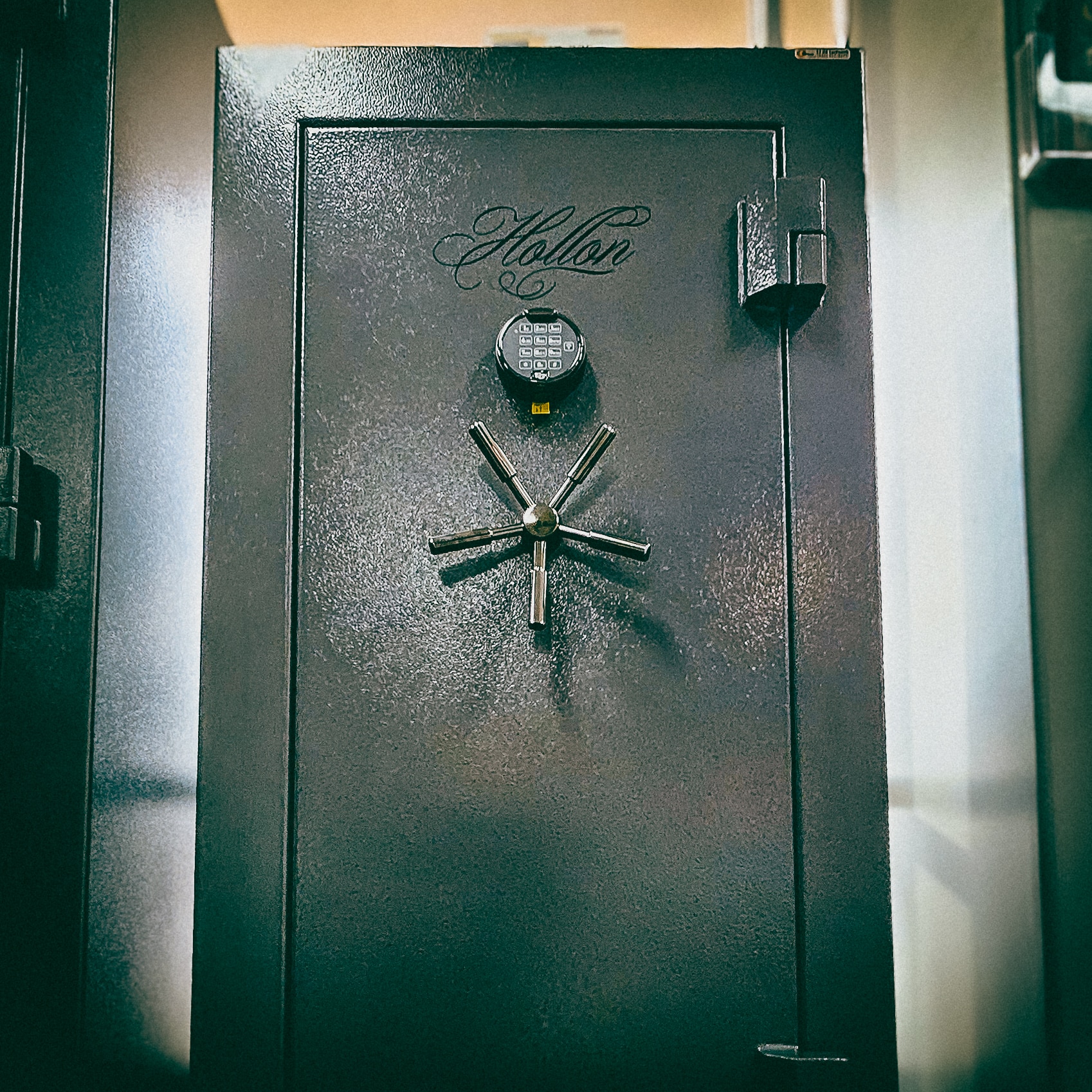
Next Steps: From Learning to Action
If you are not sure which safe type is right for your home or business, you do not have to figure it out alone. Our team can walk you through burglary safes, commercial safes, fire-rated safes, floor safes, gun safes, home safes, jewelry safes, TL-rated safes, and wall safes and explain, in plain terms, what each one does best.
When you are ready, visit our showroom or contact us:
Call: 832-534-8687 (click to call on mobile)
Text: 832-493-5888 (Tap to text, including images)
Visit: 27920 Tomball Pkwy, Ste. 240, Tomball, TX 77375
Email: [email protected]
Choosing a safe should not be a guess. Once we understand what you are protecting, your risks, and where the safe will live, it becomes much easier to narrow in on the right type and model. We will help you choose the right safe type, select a specific model, and coordinate professional delivery, installation, and ongoing service so your safe continues to protect what matters most.
Other Security & Locksmith Services We Offer
Looking for more security options? You can also call, text, or email us about other options, including:
- Residential locksmith services (Including Mailbox, Gate & Exterior Residential Locks, Residential Door Hardware Upgrades, Residential Key Duplication & Spare Keys, Residential Lock Installation & Replacement, Residential Lock Repair & Troubleshooting, Residential Rekey Services, and Smart Locks & Keyless Entry)
- Automotive locksmith services (Including broken car key removal, automotive rekeying, laser-cut car key duplication, ignition & door cylinder repair, key fob programming, specialty vehicle keys, transponder key programming, and VIN-code key generation.
- Intercom Systems (Audio & Video)
- Access Control system installation (including automatic door openers, card access & mobile credentials, commercial buzz-in systems, commercial keypad locks, electric strikes, magnetic locks, and other forms of electronic door hardware.
- Surveillance Cameras (Including Eagle Eye Networks, Alibi, and Hikvision systems)
- Audio & Video Intercom Systems (Audio & Video)
- Emergency locksmith services
- Houston Safes & Houston Gun Safes (including sales & services)