
Cloud VMS & Multi-Site Video Management
Centralized Cloud Video Management For Houston Area Businesses
Simple, Auditable, Secure.
Guardian Safe & Lock designs, sells, installs, and maintains cloud-managed and standalone video surveillance systems for businesses across Greater Houston and surrounding suburbs.
We work with proven camera platforms — Alibi, Eagle Eye Networks, and Hikvision — as well as other brands of surveillance hardware and software to build centralized multi-site video management that gives facilities teams and IT administrators secure, simple, and auditable control over cameras and recordings from a single pane of glass.
Call us at: 832-534-8687. Or, text us (including photographs) at 832-493-5888 to learn more.
Supported Platforms — Camera Systems We Sell & Why They Matter
-
 Eagle Eye Networks: a true cloud video management system designed for centralized administration, scale, and advanced analytics. Eagle Eye’s platform is built around cloud-first management, delegation, and AI tools for business intelligence and security workflows.
-
 Alibi Security: Alibi cameras and camera-to-cloud offerings allow direct camera uploads to secure cloud storage and are a straightforward option for businesses that want simplified provisioning and offsite retention without heavy on-prem infrastructure.
-
 Hikvision: Hikvision provides durable, cost-efficient cameras and recorders with options to integrate cloud storage/backup and remote access via Hik-Connect or approved cloud VMS vendors, giving businesses choice between local recording and remote retention.
We select systems based on the customer’s operational needs: enterprise retail chains and distributed facility fleets commonly choose cloud VMS for centralized management; locations with tight bandwidth or single-site requirements may favor local NVR/DVR surveillance deployments with optional cloud backup.
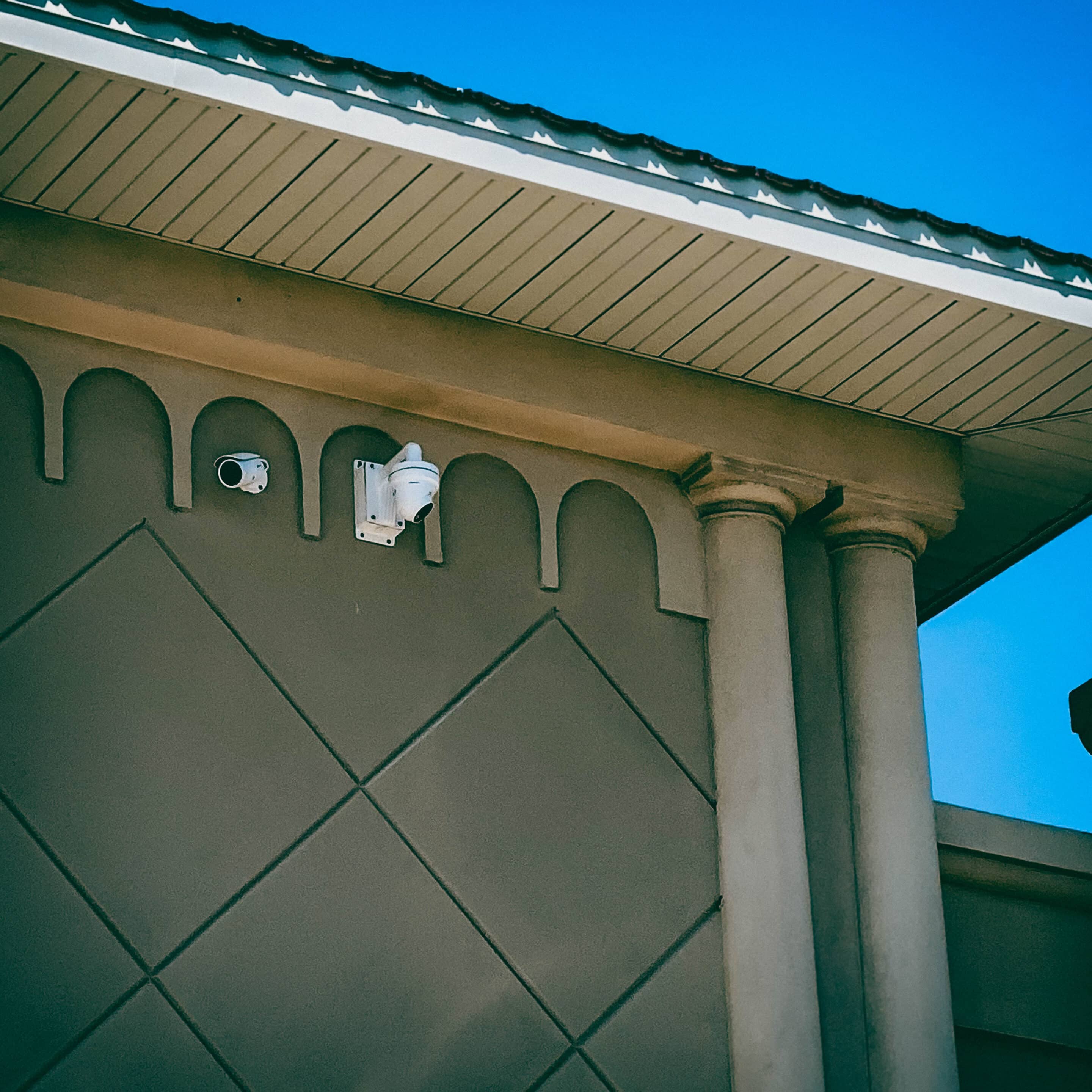
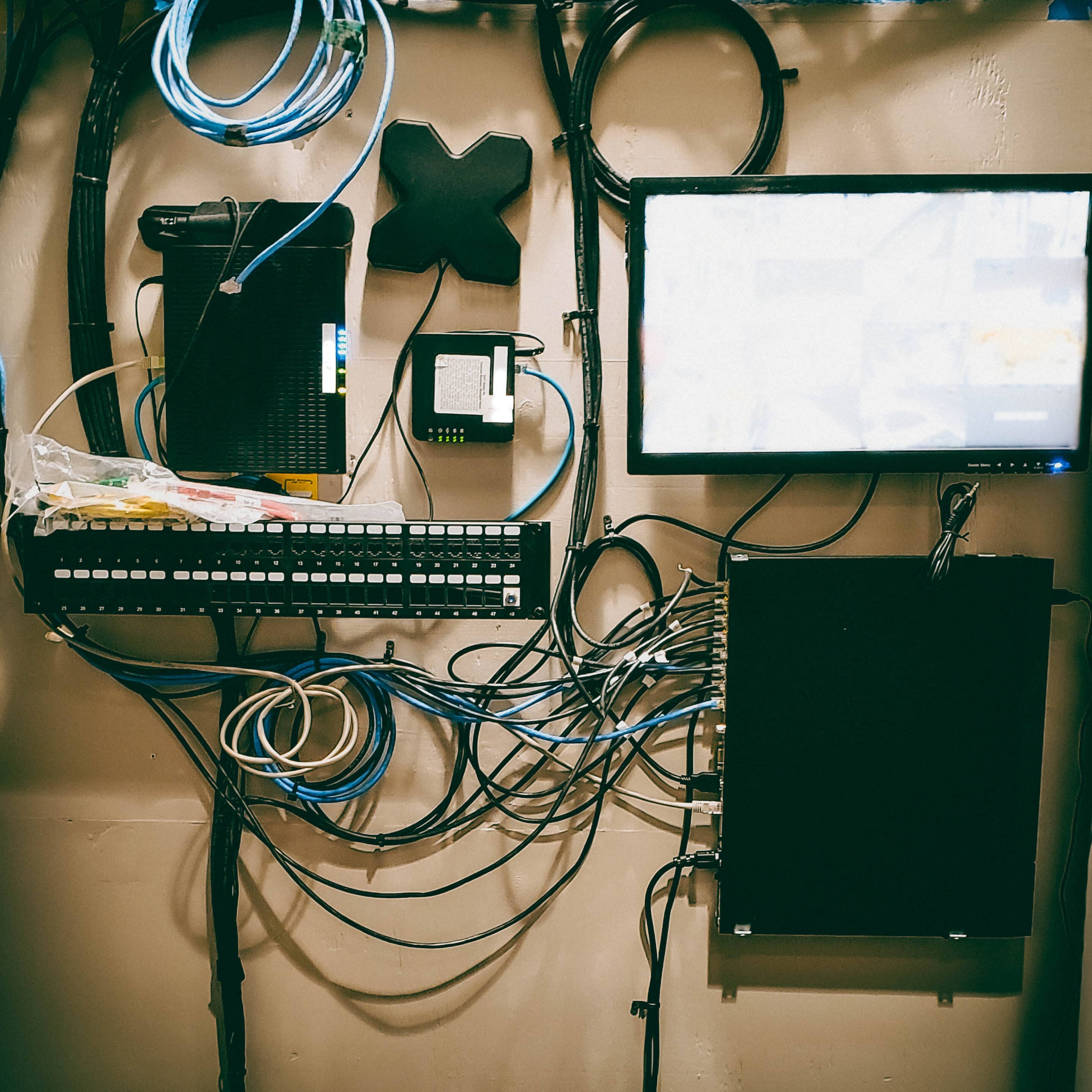
Why Cloud-Based VMS Is Compelling For Multi-Site Enterprises
Cloud VMS platforms are designed to centralize administration, simplify provisioning, and scale without replacing hardware at every site. For multi-location retail, property management, or franchise environments, cloud-based systems allow IT and security teams to:
-
Provision cameras and policies from headquarters and push them out to new sites quickly.
-
View live and recorded video from multiple locations in a single interface, featuring role-based access and audit trails.
-
Apply cloud analytics (object detection, LPR, and people counting) and automate notifications across multiple sites.
-
Reduce capital expense on servers and simplify software updates and patching.
These operational advantages are a major reason many organizations are adopting cloud VMS as their primary multi-site strategy.
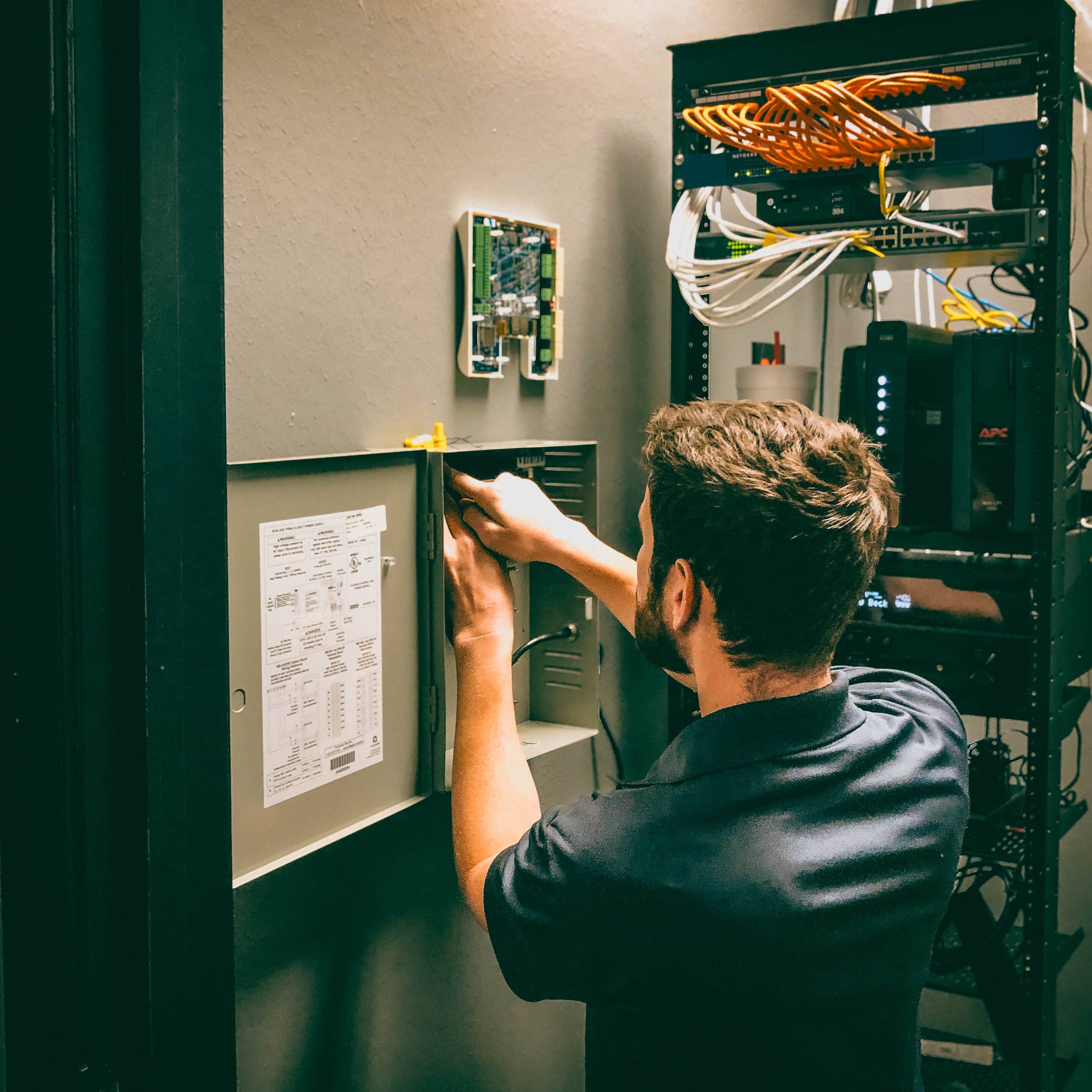
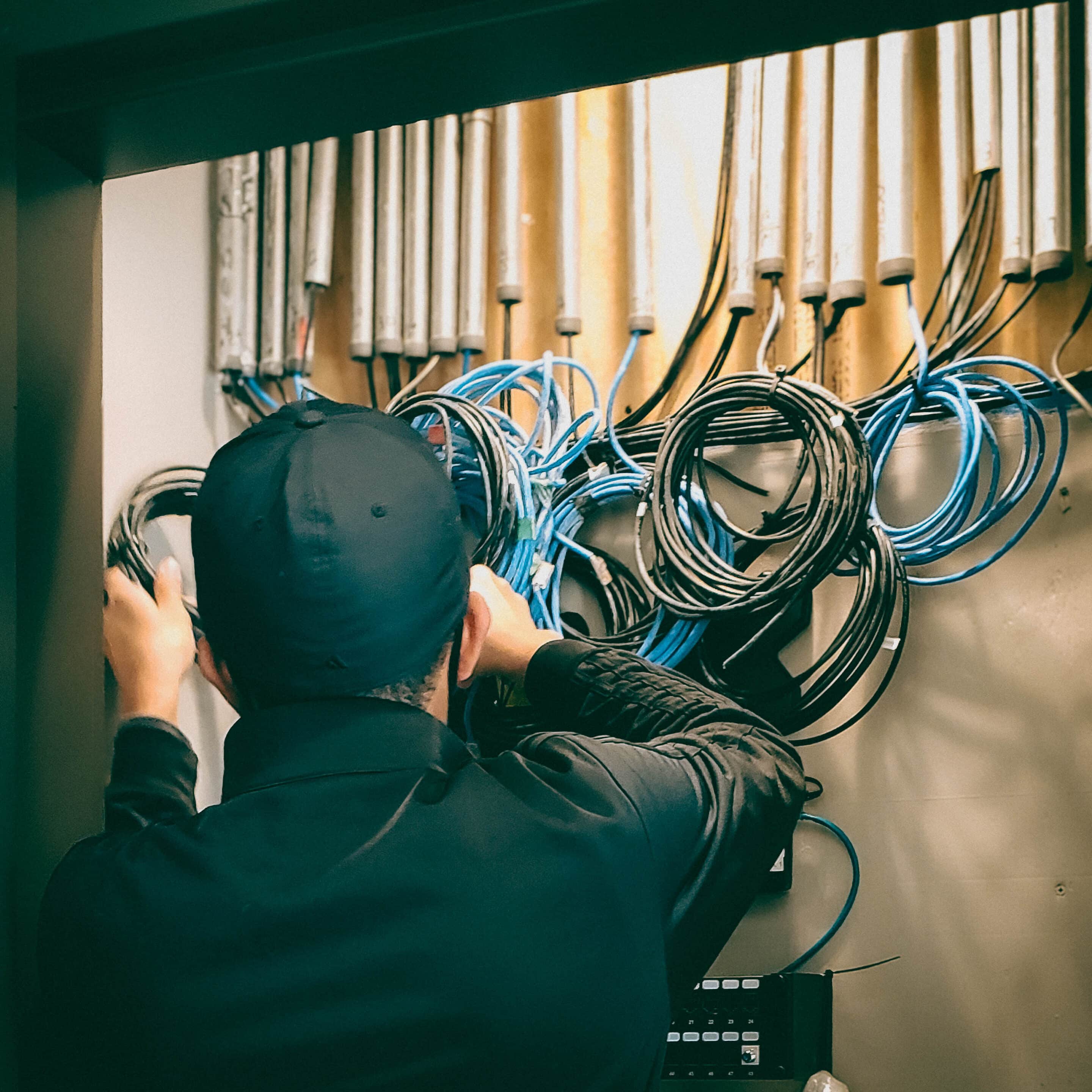
Standalone NVR/DVR — When Local Recording Still Makes Sense
Standalone NVR/DVR systems remain a practical choice when bandwidth is constrained, when local ultra-low latency is required, or for single-site camera installation locations where centralized cloud management is unnecessary.
Advantages of local recording include:
-
Predictable on-site playback performance and near-instantaneous retrieval.
-
Lower or zero ongoing cloud subscription fees for long retention periods (but higher up-front hardware cost and maintenance).
-
Simpler local network architecture in remote or industrial sites.
- Potential cost savings, as there are no monthly subscription or service charges to pay.
Decisions about retention, throughput, and retrieval should be based on camera counts, resolution, frame rates, and the required retention window; accurate storage planning prevents over- or under-provisioning.
Latency, Retention, & Total Cost Of Ownership — What To Expect
-
Latency: Cloud VMS introduces small network latencies for live streams and remote playback, which are typically acceptable for monitoring and investigative workflows. Local NVR/DVR playback is effectively real-time for onsite operators. Proper network design and QoS (Quality of Service) help minimize latency for critical streams.
-
Retention: Cloud storage provides resilience against on-site hardware loss (theft, damage). Cloud retention is flexible by policy and easier to scale; local systems require careful capacity planning and replacement cycles. Use vendor storage calculators and real-world testing to size retention correctly.
-
Total Cost of Operation (TCO): When you factor lifecycle costs (servers, maintenance, upgrades, power, backups, and the time IT spends managing systems), cloud VMS can deliver a lower five-year TCO for many multi-site deployments, especially when sites are frequently added or when centralized management reduces operational overhead. Vendor analyses show cloud’s operational savings often outweigh the subscription cost for distributed enterprises.
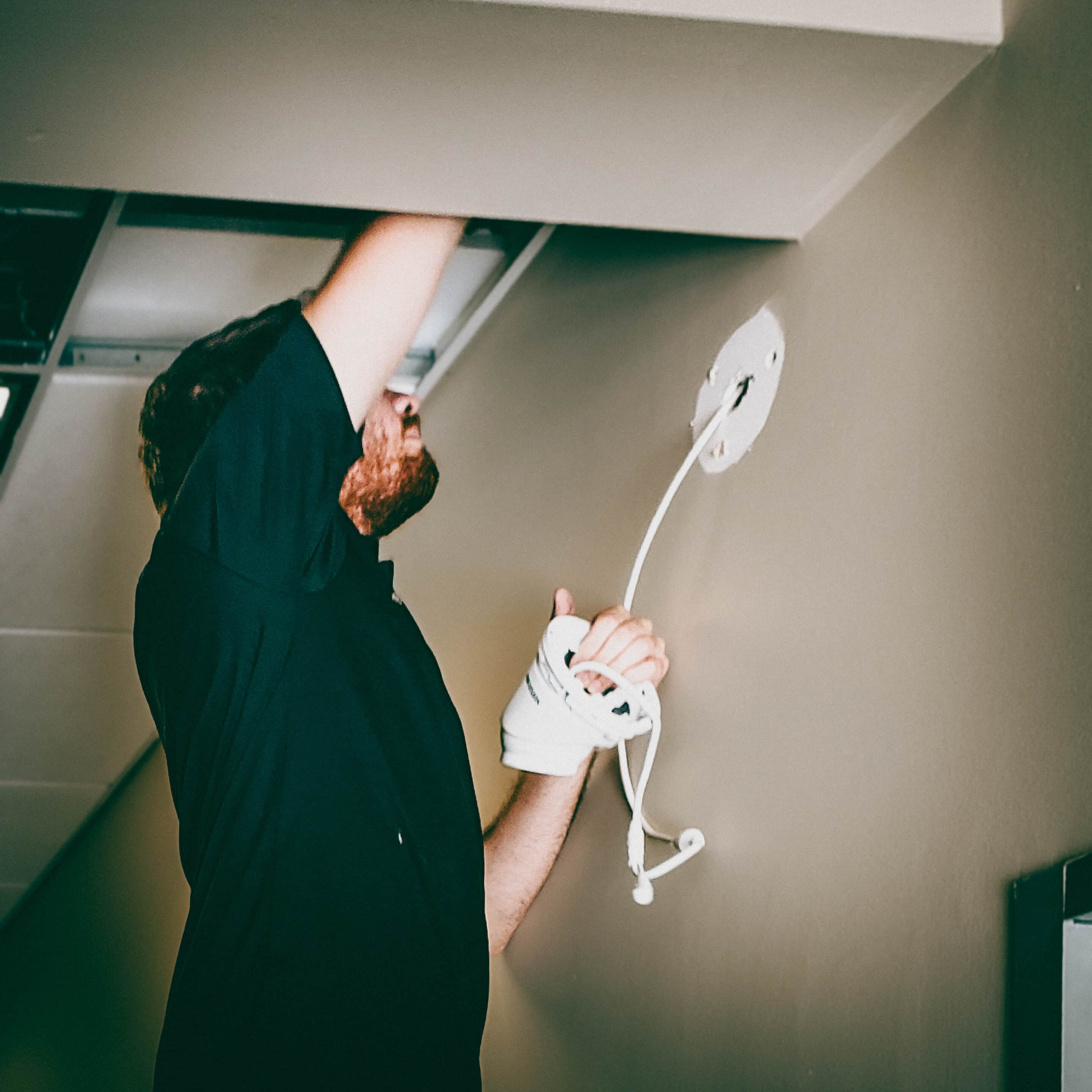
Surveillance Options Offered By Guardian Safe & Lock

Provisioning Large Multi-Site Rollouts — Our Practical Approach
For chains and enterprises, we recommend a disciplined rollout plan:
-
Discovery & standards: We first define camera models, resolutions, mounting standards, naming cameras in the system, and network requirements. Standardization reduces complexity as you scale.
-
Pilot site: We then deploy a representative location to validate camera positioning, bandwidth usage, retention, and integrations (POS, access control, analytics). Adjust policies & perform any necessary camera troubleshooting before mass deployment. Some brands, such as Eagle Eye Networks, can integrate with Brivo access control software. Eagle Eye Networks and Brivo are, in fact, sister companies designed to work in this manner.
-
Centralized provisioning: We then use the cloud VMS’s device management tools to preconfigure profiles and push them to new locations, reducing per-site setup time. Eagle Eye and similar cloud platforms are built to manage devices and policies across multiple sites from a single control center.
-
Network readiness: We ensure each site has sufficient uplink and local switching. For cloud systems, prioritize uplink for key streams and use edge settings (lower fps or event-based upload) to reduce sustained bandwidth.
-
Staged rollout & training: We then roll out in cohorts and train local stakeholders and corporate users on the management console, escalation flows, and incident documentation.
-
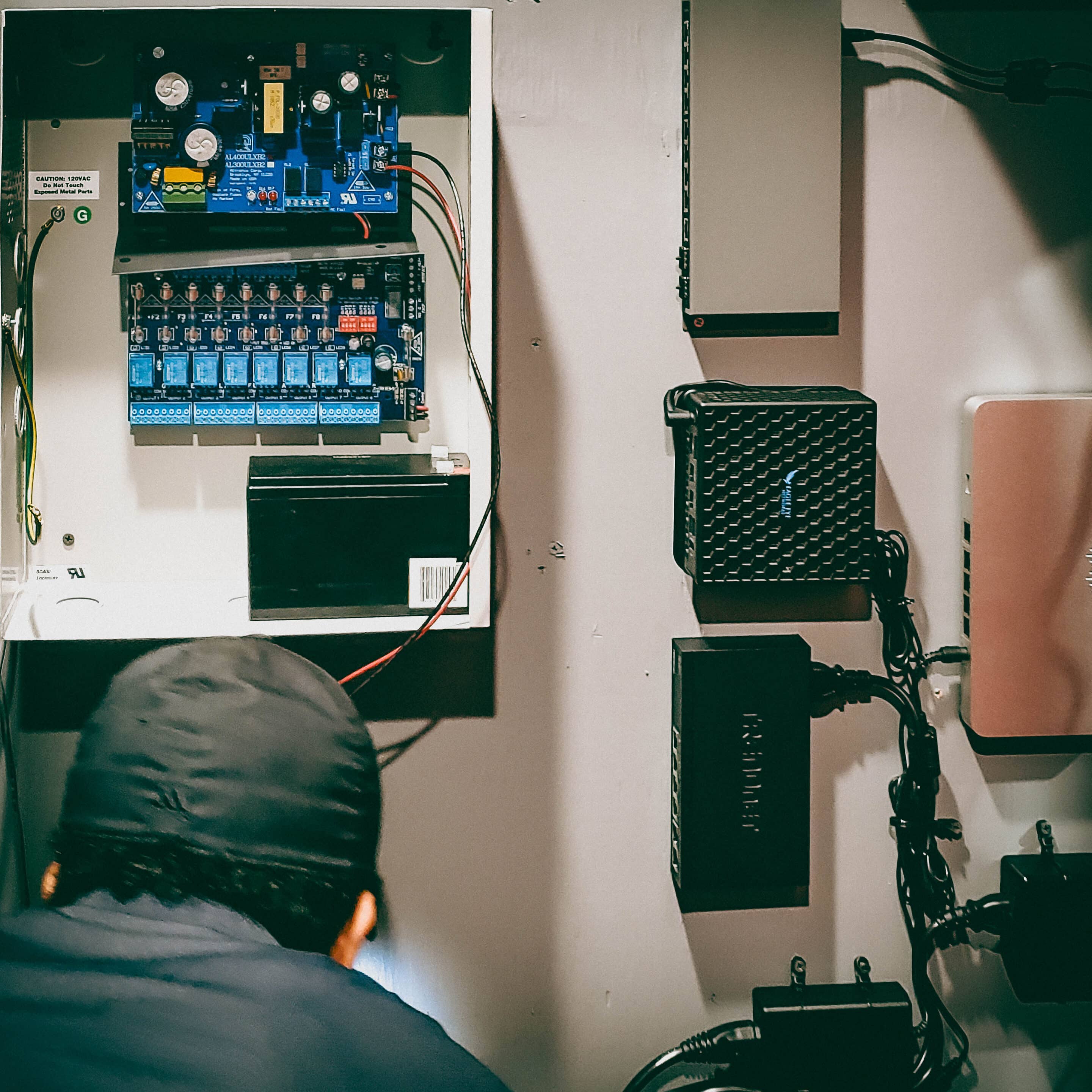
Monitoring & lifecycle: We then train your staff to monitor camera health, storage utilization, and firmware patching from the central dashboard; schedule preventive maintenance and replacement cycles.
Following this framework reduces variability, speeds provisioning, and improves long-term manageability for IT teams.
Our IP Camera Installation & Service Area
Based in Tomball, we serve the Greater Houston area, including (but not limited to) the surrounding suburbs:
Tomball • Bryan • College Station • Conroe • Cypress • Humble • Katy • Kingwood • Magnolia • Pasadena • Porter • Spring • Sugar Land • The Woodlands • & more!
If you are outside these areas, we may still be able to service you: Call 832-534-8687 to confirm availability.
Compliance & Cybersecurity
Cloud VMS vendors and camera manufacturers invest in platform security: encrypted streams, secure device provisioning, and multi-factor admin access. Still, we apply a defense-in-depth approach: network segmentation for cameras, up-to-date firmware, strong password policies, and role-based permissions for users. These practices reduce risk and help meet insurance and regulatory expectations for business surveillance.
What is a cloud VMS and why is it useful for multi-site businesses?
A cloud VMS (video management system) is a platform that centralizes camera management, live viewing, recordings, analytics, user roles, and audit trails in the cloud, allowing IT/security teams to administer multiple locations from a single interface.
For multi-site businesses, this delivers faster provisioning, centralized policy enforcement, easy sharing of feeds for investigations or first responders, and scalable analytics without maintaining servers at every site.
When should we choose a cloud VMS versus a standalone NVR/DVR?
Choose a cloud VMS when you need centralized administration, rapid provisioning of new sites, cloud analytics, or off-site resilience.
A standalone NVR/DVR is appropriate when bandwidth is limited, you require guaranteed ultra-low latency on-site, or you prefer a capital expenditure model with local recording and no ongoing cloud subscription.
We’ll size both options against your operational priorities — retention window, bandwidth, budget, and scale — and recommend the right fit.
Which camera brands and models do you support?
We sell and integrate Alibi cameras (including Alibi camera-to-cloud options), Eagle Eye Networks–compatible cameras and platforms, and Hikvision cameras (both standalone and with supported cloud storage/backups).
We select specific models based on site conditions (lighting, mounting, field of view), desired analytics, and IT policy.
Will cloud VMS add noticeable latency to live monitoring?
Cloud VMS introduces some network latency because streams traverse the uplink and cloud infrastructure, but for most monitoring and investigation workflows, this delay is minimal and acceptable.
Where near-zero latency is essential (control rooms or immediate local automation), a local NVR/DVR may be preferable; otherwise, network design and edge settings can keep the user experience highly responsive.
Can cloud VMS integrate with POS, access control, LPR, or third-party analytics?
Yes. Modern cloud VMS platforms expose APIs and integrations for point-of-sale event correlation, access control logs, license-plate recognition, and other analytics.
Integrations enable automated event linking (e.g., associate a POS transaction with the nearest camera clip) and feed enriched alerts into security workflows. We design integrations to meet your privacy and operational requirements.
How quickly can Guardian Safe & Lock survey and deploy a pilot in the Greater Houston area?
We typically schedule a commercial site survey within 3–7 business days (sooner for urgent needs), produce a written pilot design and proposal, and can deploy a pilot within 5-10 days, depending on hardware lead times and access.
We routinely perform surveys and installations across downtown Houston, The Galleria area, Katy, Sugar Land, Pearland, The Woodlands, Spring, Tomball, and Cypress, and will provide a phased rollout plan tailored to your timeline.
(Contact our commercial team to lock in availability and a scope.)
More Locksmith & Security Services We Offer
- Commercial Locksmith Services (Including commercial lock installation, commercial key duplication, master key systems, panic bars, door closers, & restricted keyways)
- Intercom Systems (Audio & Video)
- Access Control system installation (including automatic door openers, card access & mobile credentials, commercial buzz-in systems, commercial keypad locks, electric strikes, magnetic locks, and other forms of electronic door hardware.
- Audio & Video Intercom Systems (Audio & Video)
- Emergency locksmith services
- Residential locksmith services
- Car locksmith services (Including key programming)
- Houston Safes & Houston Gun Safes (including sales & services)
Next Steps — Get A Fast, Professional Quote
We combine certified installation teams with experienced integrators who understand retail, property management, and enterprise rollouts. We’ll recommend the right balance between cloud-native VMS or standalone NVR/DVR architecture, selecting Alibi, Eagle Eye Networks, or Hikvision products based on your operational, budgetary, and network constraints.
Contact our commercial team to schedule a consultation or site survey at:
-
Call: 832-534-8687 (click to call on mobile)
- Text: 832-493-5888 (Tap to text, including images)
-
Email: [email protected]
We’ll schedule a site survey in Houston, Katy, The Woodlands, Sugar Land, Pearland, Tomball, Spring, or Cypress and deliver a written proposal that includes a camera plan, network requirements, retention options, and a phased rollout schedule.