
Smart Locks & Keyless Entry
Modernizing Home Security in the Greater Houston Area
Secure. Modern. Convenient.
Guardian Safe & Lock installs, repairs, replaces, and services residential smart locks and keyless entry systems across the Greater Houston area. We work with electronic deadbolts and levers, as well as Bluetooth and Wi-Fi locks, keypad and app-based access, and smart locks that integrate with home automation platforms.
Our approach is brand-agnostic and technical: we evaluate door and frame compatibility, connectivity and power behavior, user access workflows, and long-term management before recommending and installing any device.
Call us at: 832-534-8687. Or, text us (including photographs) at 832-493-5888.
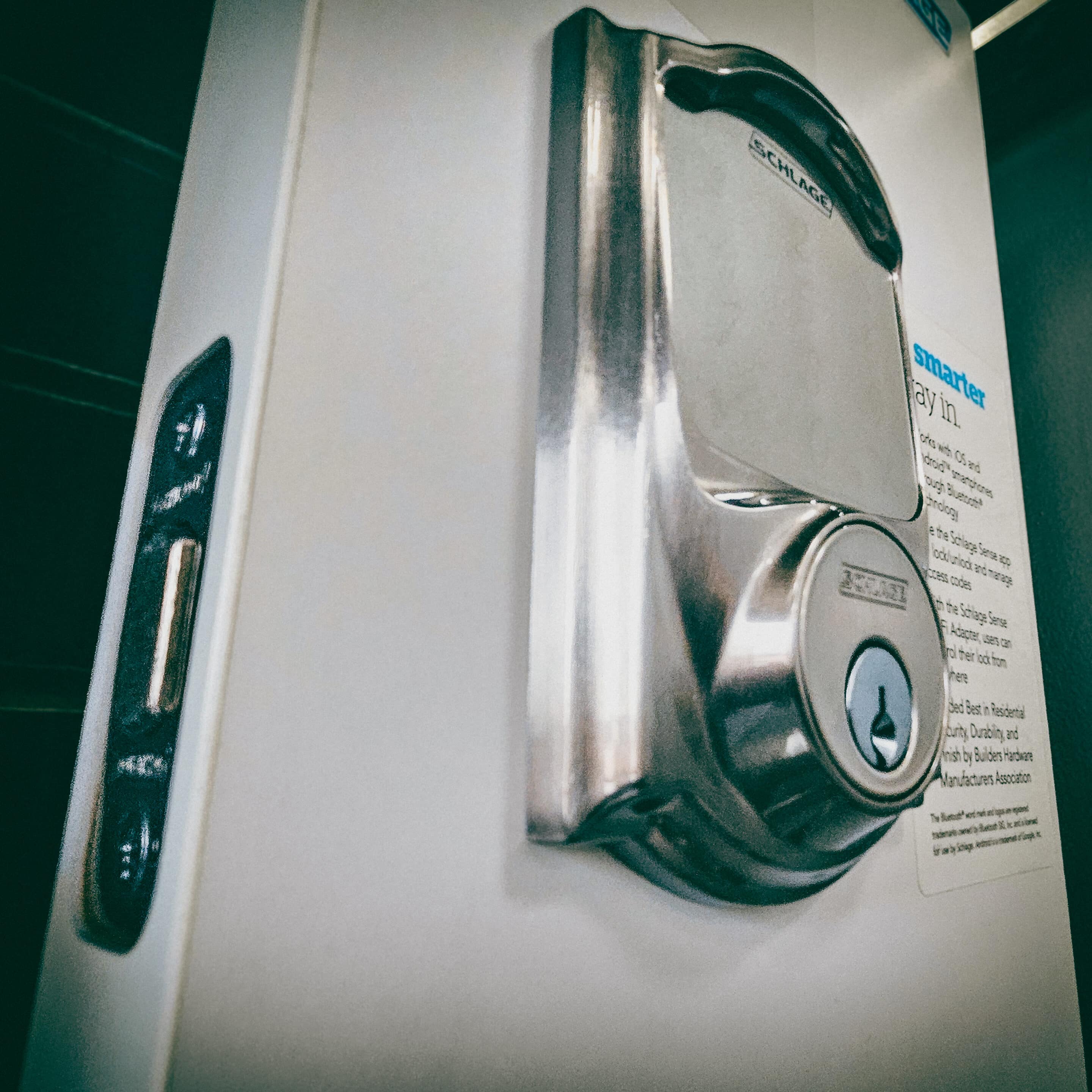
What “Smart Lock” Means For Your Home
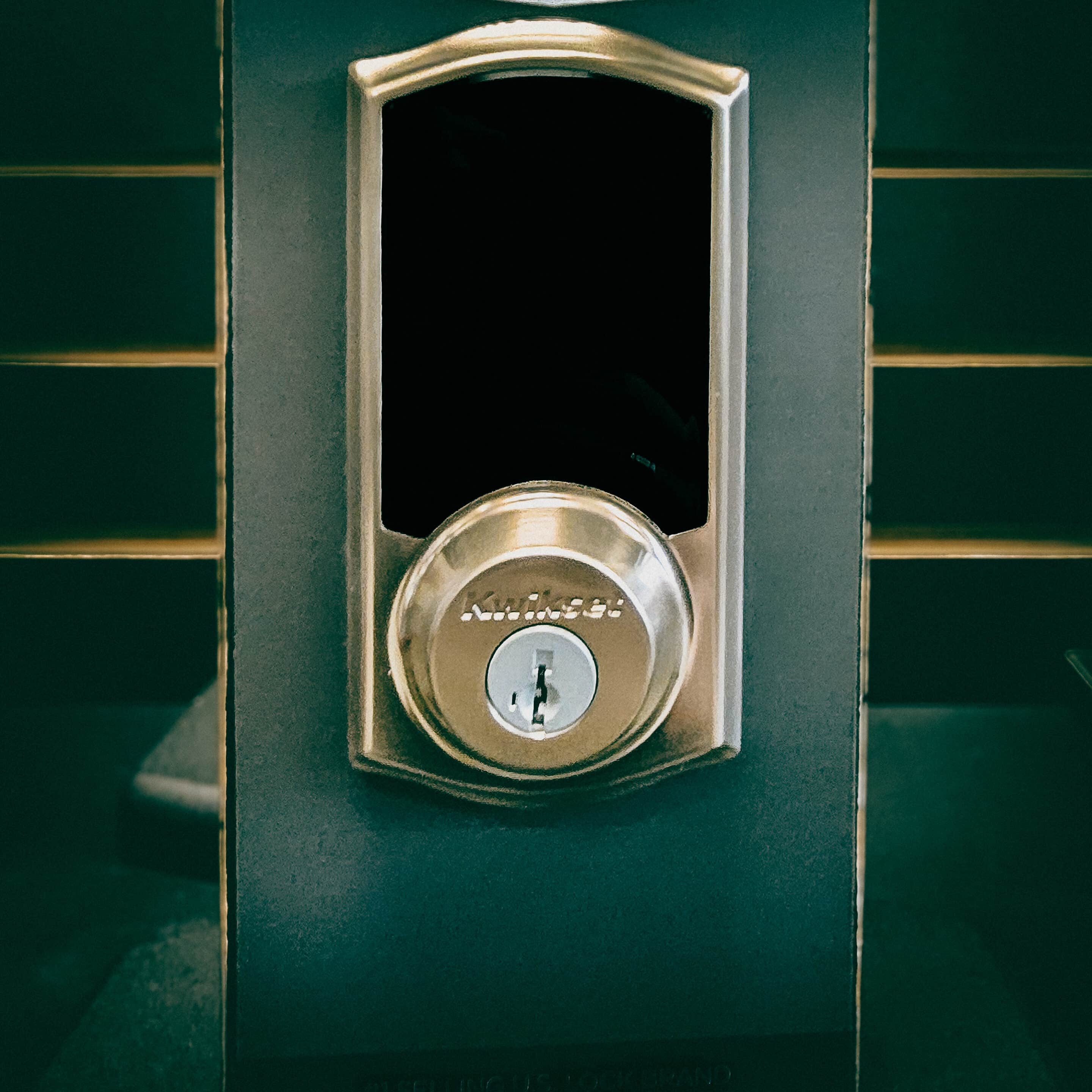
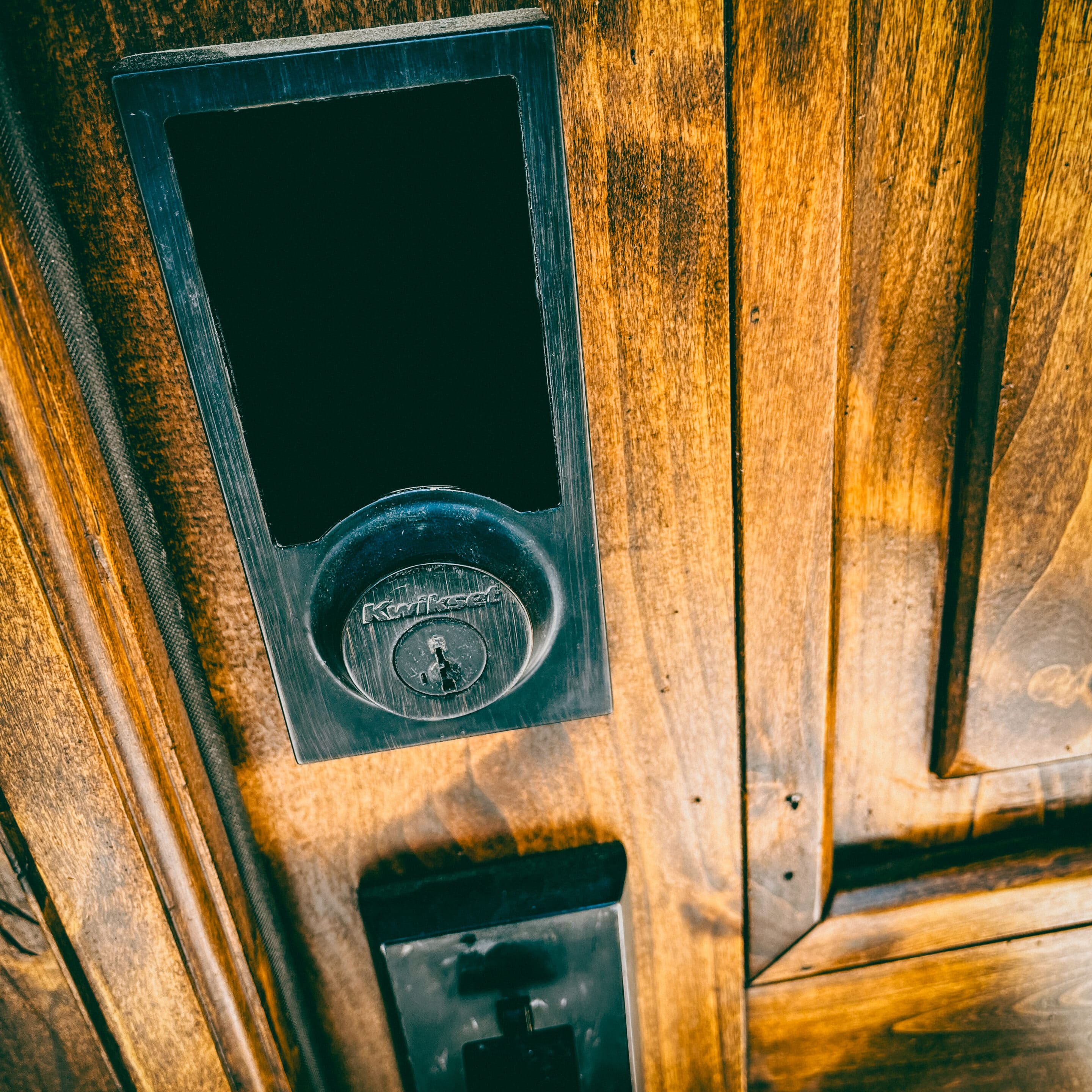
A smart lock replaces or augments a conventional lock with electronic control and credential options beyond the mechanical key. Common form factors for homes include electronic deadbolts and lever conversions, interior-mounted retrofit modules that use existing hardware, keypad locks with PINs, and modules that pair with smartphone apps for remote control and monitoring.
Modern smart locks provide a mix of local (Bluetooth) and remote (Wi-Fi) control, scheduled or temporary access codes, activity logs, and, in many models, integration with voice assistants (Amazon Alexa, Google Gemini, etc) and home automation hubs.
Connectivity: Wi-Fi Vs Bluetooth (& When To Choose Each)

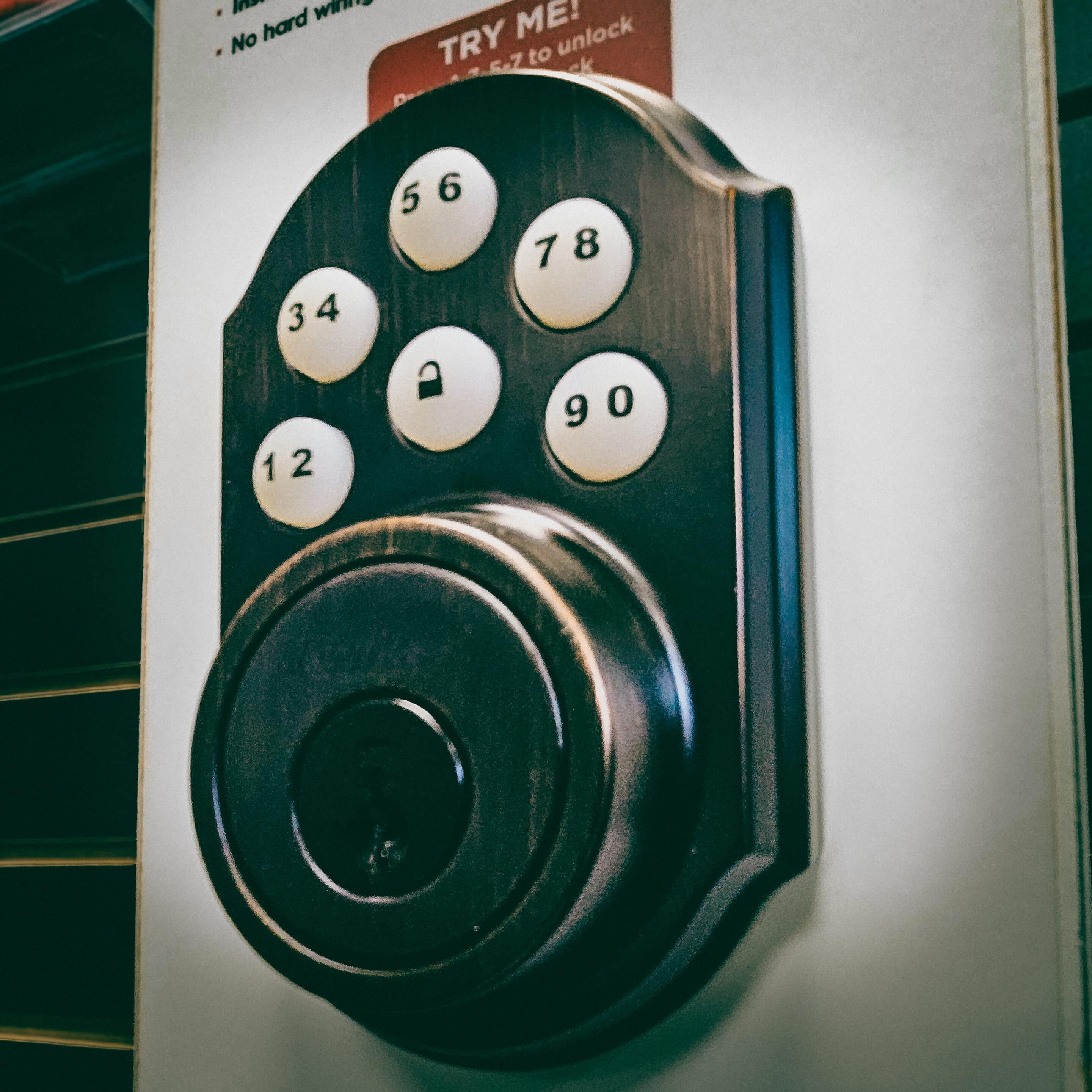
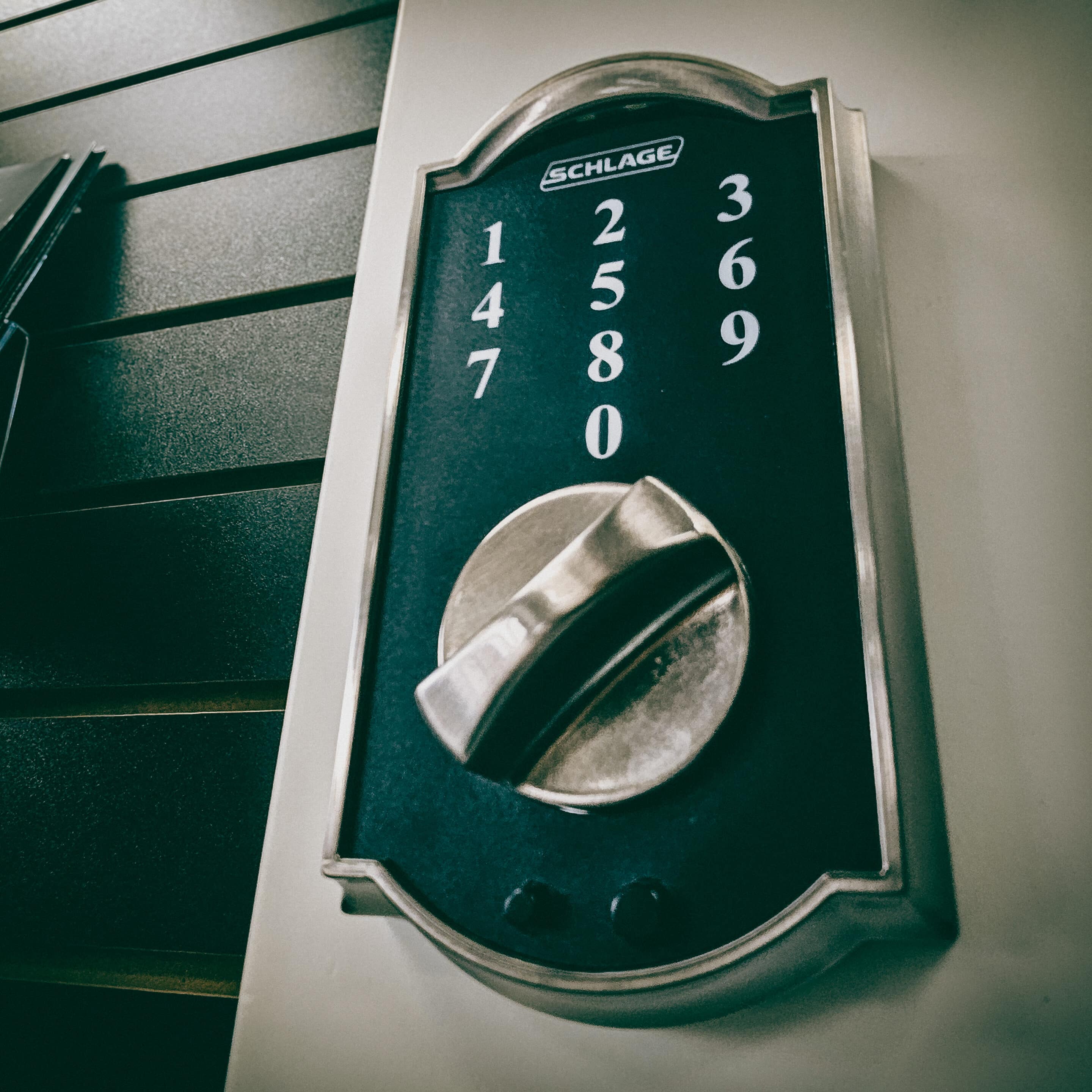
Keypad Vs App-Based Home Access (User Experience & Security)
Keypad entry (PINs) is intuitive for family members, contractors, or short-term guests and avoids the need for smartphone ownership.
App-based access offers richer control: individual user profiles, scheduled codes, and tamper or activity notifications.
Good practice is to use a hybrid approach where the keypad provides fallback access, and the app delivers administration, remote management, and audit history. Choose products with strong code-management features (temporary codes, code expiration, and easy revocation) and secure pairing flows.
Power, Outages & Reliable Fallback Options
Most residential smart locks are battery-powered and continue to operate through utility power interruptions as long as battery levels are maintained; hardwired commercial solutions are the exception.
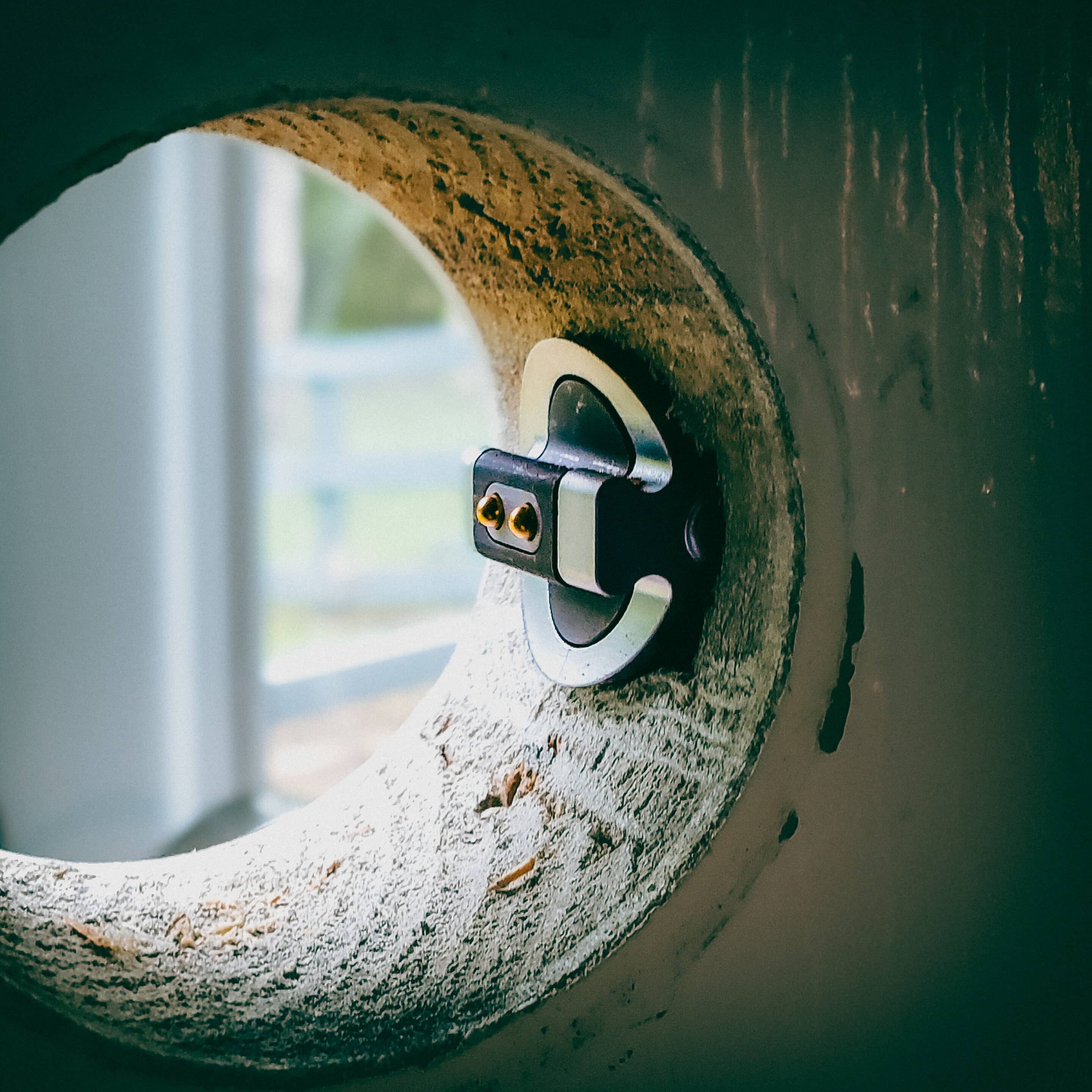
Locks that provide manual key override, external 9V contacts for emergency power, or mechanical backup offer the best resilience during prolonged outages.
We always validate battery access, estimate realistic battery life for a given model and household usage, and recommend hardware that supports an accessible manual override or emergency power option.

Retrofitting Existing Doors — What We Check Before Installation
Not every door or existing lockset is automatically compatible with every smart lock. Our pre-installation evaluation covers:
-
Door thickness and backset — most residential locks fit typical door thicknesses, but verifying measurements prevents poor fitment or binding. Typical deadbolt-compatible doors are ~1-3/4″ thick; adapters exist for thinner or thicker doors.
-
Bore and clearance — center-to-edge dimensions and clearance from handle escutcheons determine whether a retrofit unit will physically fit.
-
Strike and latch alignment — settling, weatherstripping, and frame condition can affect bolt travel; adjustment or strike replacement may be necessary.
-
Cylinder & keyway requirements — where a mechanical key override is required, we confirm cylinder compatibility and rekeying needs.
When retrofitting, we prioritize solutions that preserve structural integrity, minimize excessive door modifications, and are equipped with a reliable mechanical backup.
Integration With Home Automation & Future-Proofing
Integration options vary widely: many locks provide native support for Alexa, Google Assistant, and third-party hubs, while others expose modules for Z-Wave, Zigbee, or Matter compatibility.
Recent product developments emphasize Matter and Thread for more reliable, low-power device interoperability. If you have an existing smart home setup (including a security panel, hub, voice assistant, or automation rules), we confirm compatibility and design a deployment that minimizes fragmentation and simplifies user workflows.
If your plan includes smart-home expansion, we recommend selecting products that support open standards to ease future integration.
Brand-Agnostic Security Considerations
Security is both mechanical and digital. We assess ANSI/BHMA grading, secure pairing and firmware update practices, local encryption, code-management controls, and whether the product supports multi-factor or anti-tamper features.
For proprietary platforms, we verify the vendor’s update policy and patch cadence. We do not rely on marketing claims; our selection emphasizes products with transparent security practices and a proven update path.
Why Professional Installation Matters
Proper installation ensures the lock functions reliably and that mechanical and electronic systems coexist without compromise.
Common errors in DIY installs include misaligned strikes, loose hardware causing premature wear, incorrect programming of user permissions, and failure to provision backup options.
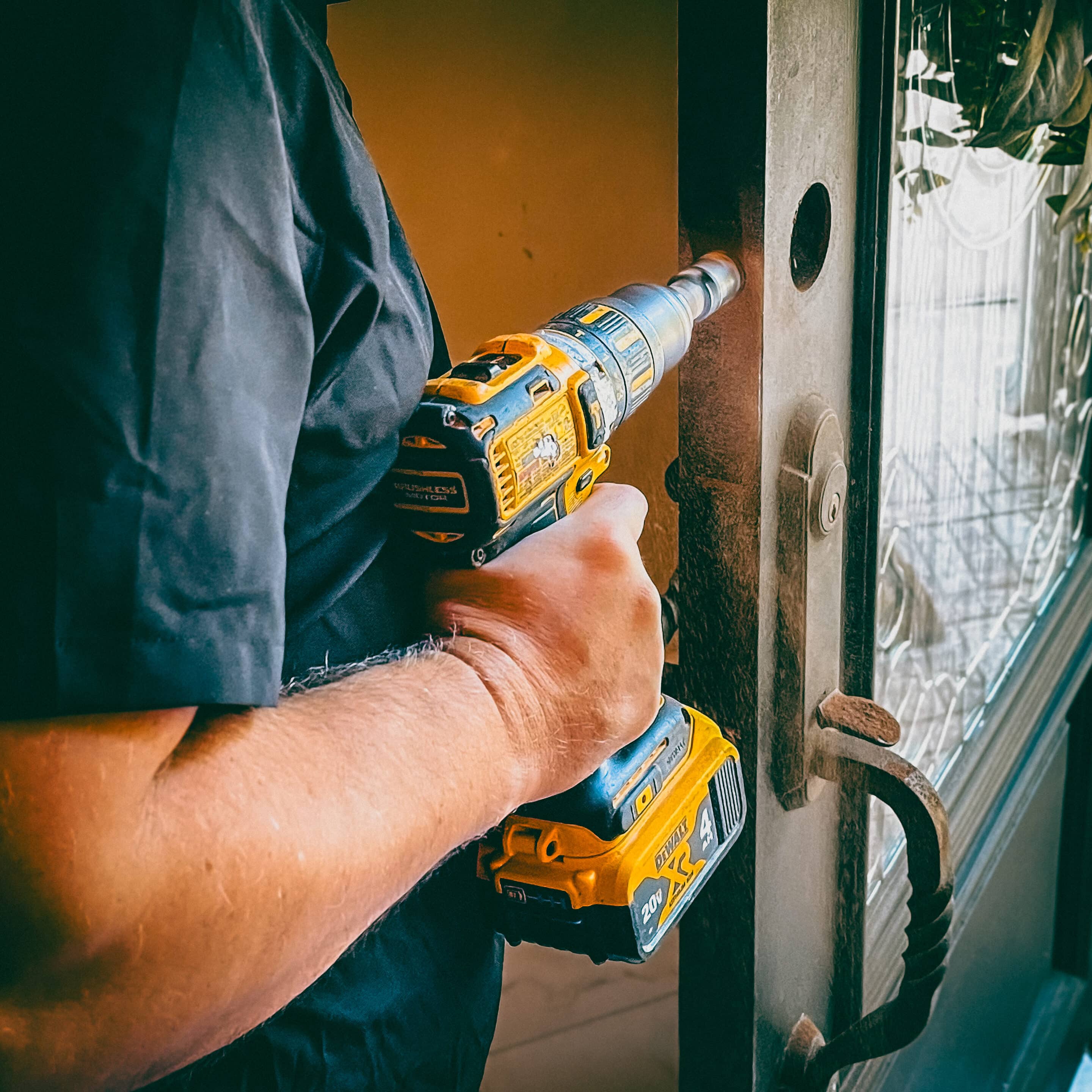
A professional installation includes physical fitment, secure mounting, correct network or hub configuration, user provisioning, and post-install testing (including power-failure and remote-access tests).
Service, Maintenance & Smart Lock Repairs
We offer troubleshooting & maintenance, battery replacement plans, firmware update checks, and emergency service for lock failures and credentials management.
For homes with multiple smart devices, we can perform an audit to confirm integration, remove stale user codes, and ensure firmware is current.
Where repair is feasible, we will repair or replace modules in a way that preserves your original cylinder or recommend a secure upgrade otherwise.
Our Residential Service Area
Based in Tomball, we serve the Greater Houston area, including (but not limited to) the surrounding suburbs:
Tomball • Bryan • College Station • Conroe • Cypress • Humble • Katy • Kingwood • Magnolia • Pasadena • Porter • Spring • Sugar Land • The Woodlands • & more!
If you are outside these areas, we may still be able to service you: Call 832-534-8687 to confirm availability.
How To Proceed — Evaluation & Next Steps
-
Schedule a site evaluation — While most smart lock installations can be quoted and served through solid details from the owner or submitted photos, we also perform site evaluations when appropriate to ensure compatibility and proper installation. When on site, we measure the door, inspect the frame and existing hardware, and discuss access workflows (family members, service providers, temporary guests).
-
Select a solution — we recommend a shortlist based on security, connectivity needs (Bluetooth, Wi-Fi, or hub integration), and long-term manageability.
-
Professional installation & testing — full install, provisioning of user accounts, verification of mechanical and electronic fallback, and demonstration of common user tasks.
-
Ongoing support — options for maintenance, battery replacement, and emergency response.

Are smart locks secure?
Smart locks can be secure when selected and installed correctly.
Security depends on both the mechanical strength of the lock (ANSI/BHMA rating, deadbolt construction, strike quality) and the product’s digital security (strong pairing/authentication, encrypted communications, and timely firmware updates). Choose products with clear security documentation and an established update policy.
As professional installers, we assess both mechanical grade and vendor security practices before recommending a model.
What happens if the power goes out or the batteries die?
Most residential smart locks are battery-powered and will continue to operate during utility outages as long as batteries have a charge.
Many manufacturers provide low-battery alerts and battery lifespans measured in months under normal use; some product families also document emergency external power methods or manual key override options.
We always verify battery accessibility, recommend realistic replacement intervals, and ensure a reliable mechanical fallback is present.
Do smart locks require Wi-Fi, or can they use Bluetooth? Which is better?
Smart locks typically use either Bluetooth (local, phone-range control) or Wi-Fi (remote control and cloud features).
Bluetooth offers lower power use and operation without dependence on a home network for close-range unlocking; Wi-Fi enables remote notifications and off-site control.
The best choice depends on your priorities: privacy and battery life (Bluetooth) versus remote management and broader feature sets (Wi-Fi). We evaluate how you intend to use the lock and recommend the connectivity model that meets that need.
Can a smart lock be picked or bypassed more easily than a mechanical lock?
Mechanically, many smart deadbolts offer comparable or improved resistance to picking versus standard residential-grade locks—provided the underlying deadbolt and strike are robust.
Digitally, vulnerabilities historically track with vendor practices: insecure pairing, weak passwords, or lack of firmware updates increase risk.
Professional installation, strong credential management, and choosing vendors with transparent security practices materially reduce both mechanical and digital risk.
How difficult is installation, and do I need a professional?
Many smart locks advertise DIY installation, but professional installation removes common failure points: improper strike alignment, loose mounting, incorrect programming, and incomplete testing (including manual fallback, battery behavior, and user provisioning).
Professional installation also preserves the warranty and ensures the mechanical and electronic subsystems operate reliably together.
For many homeowners, we recommend professional installation to avoid common issues and pitfalls.
Are smart locks weatherproof and suitable for exterior doors?
Many smart locks are designed for exterior residential use and include weather-resistance ratings; however, extreme exposure (direct heavy rain, coastal salt air) can accelerate wear.
We select models rated for exterior installation and verify gasket, seal, and finish compatibility for your climate. In cases of high exposure, we recommend specific models and installation details that mitigate weather-related failure.
Our Other Locksmith Services
Looking for more security options? You can also call, text, or email us about other options, including:
- Access control system installation (Including automatic door openers, card access systems & mobile credentials, commercial buzz-in systems, commercial keypad locks, electronic door hardware, electric strikes, and magnetic locks (maglocks)
- Intercom Systems (Audio & Video)
- Surveillance Cameras (Including Eagle Eye Networks, Alibi, and Hikvision systems)
- Emergency locksmith services
- Automotive locksmith services (Including key programming)
- Safes & Gun Safes in Houston (including sales & services)
Modernise You Home With Guardian Safe & Lock and Residential Smart Locks
For a written recommendation tailored to your home’s smart-lock needs, contact Guardian Safe & Lock:
-
Call: 832-534-8687 (click to call on mobile)
- Text: 832-493-5888 (Tap to text, including images)
Provide basic details about your door and smart-home environment, and we will assess compatibility, preferred connectivity (Bluetooth, Wi-Fi, hub integration), and access workflows to prepare a clear, brand-agnostic proposal.
After we receive your information, you will receive a concise, itemized proposal outlining recommended hardware, required installation steps, and an estimated timeline, ensuring your keyless entry system is installed correctly and functions reliably from day one.